Men's boots: types and heritage
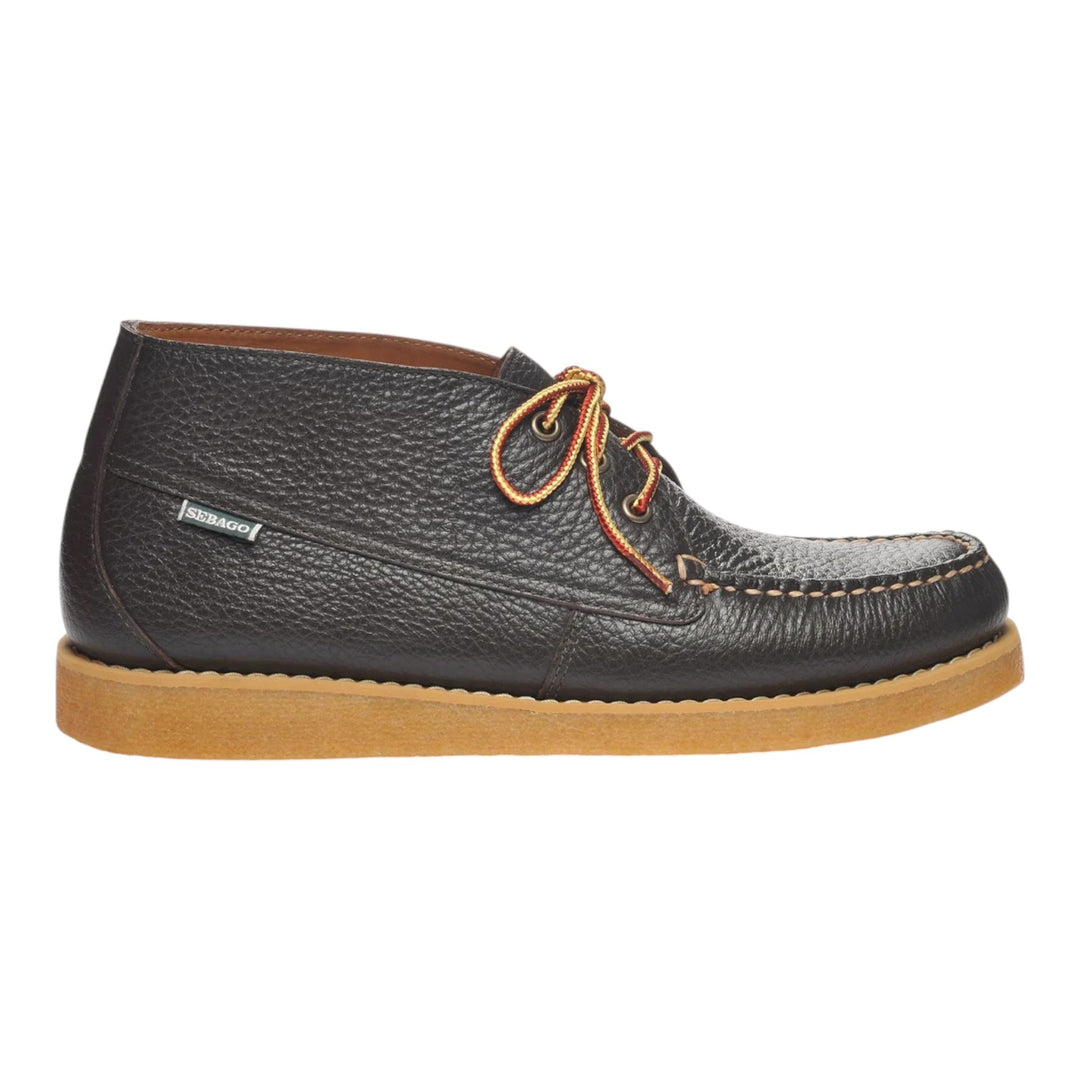
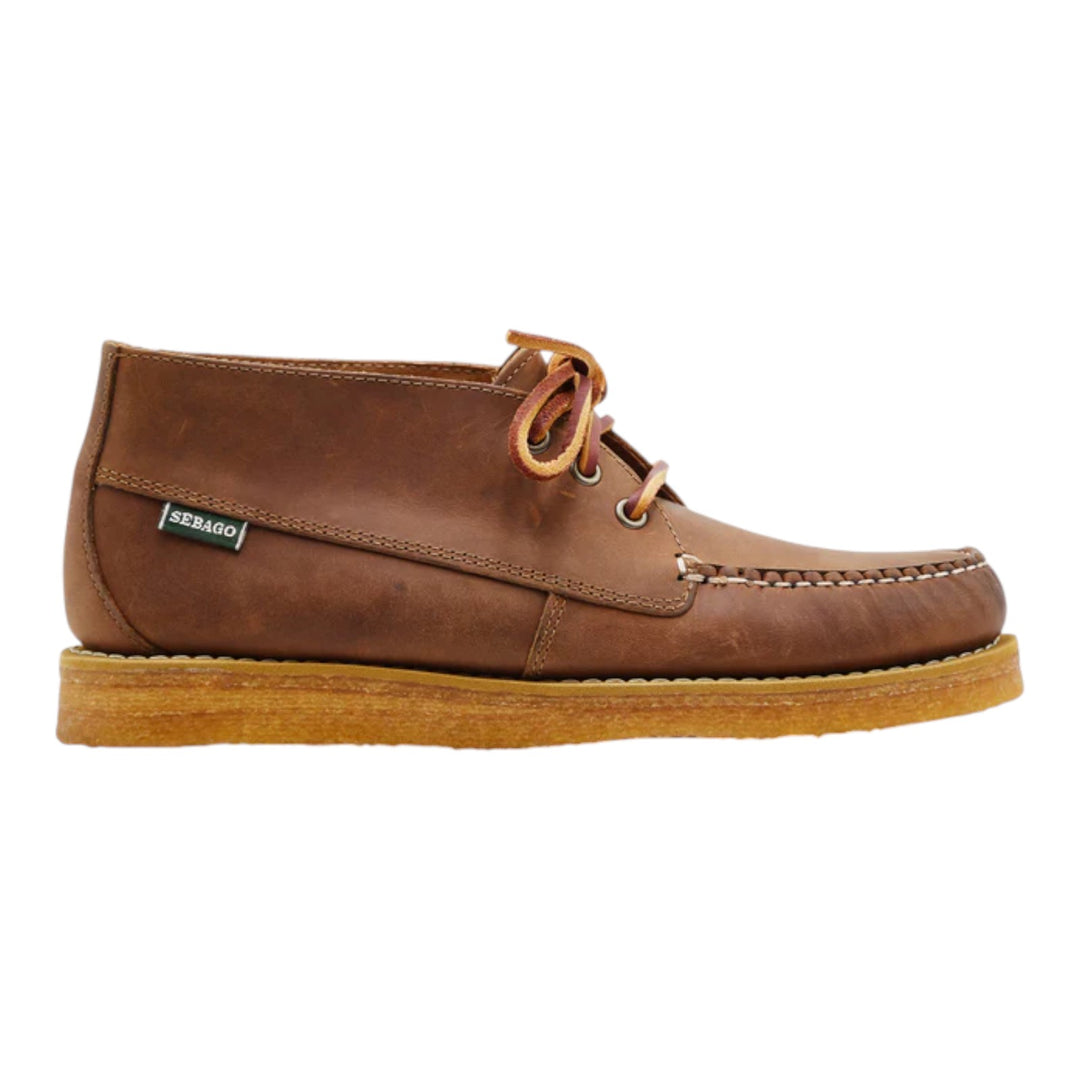
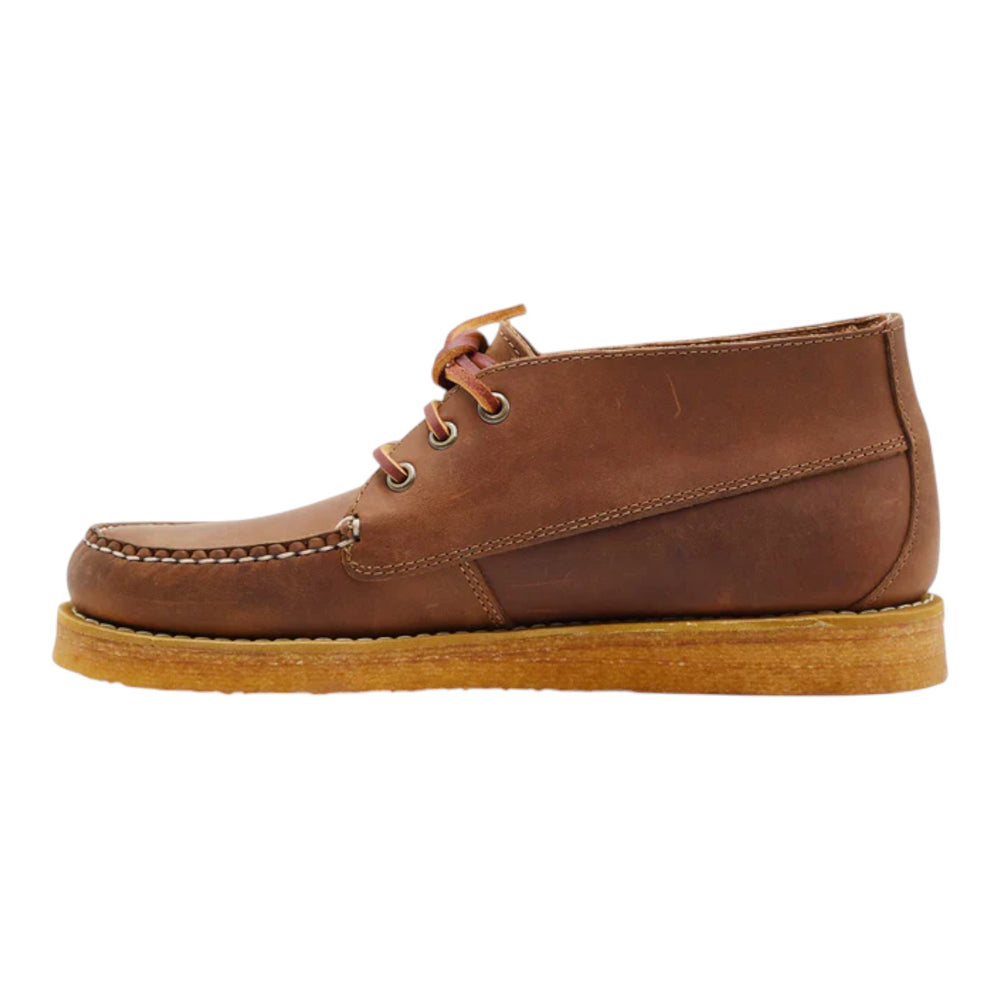
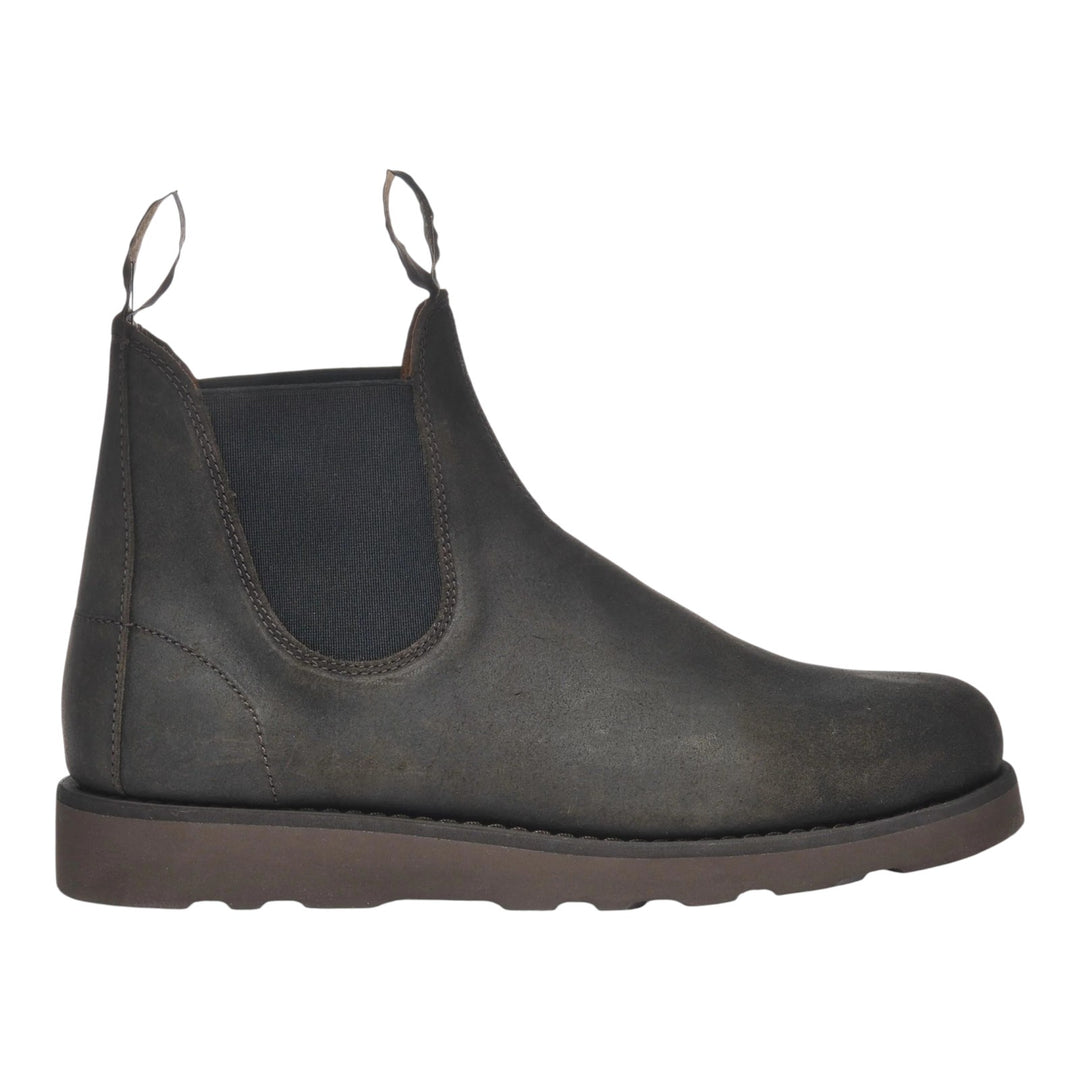
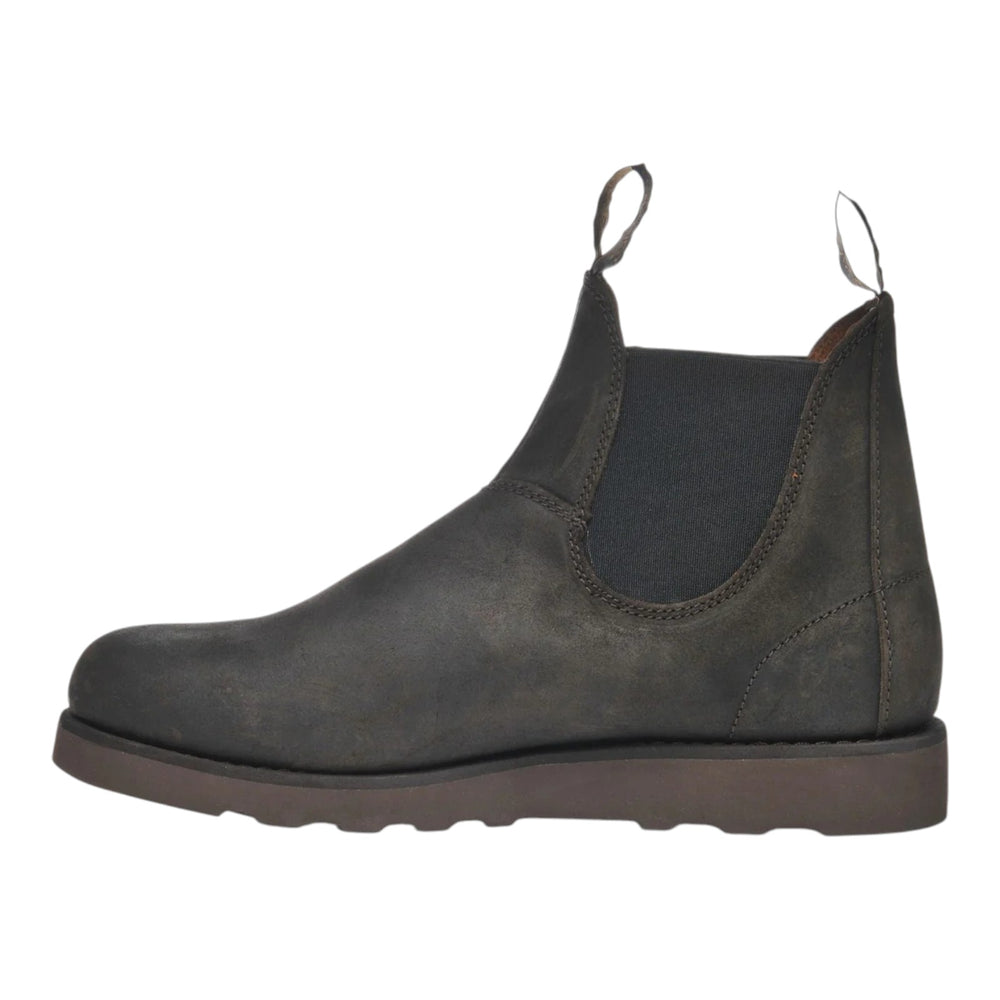
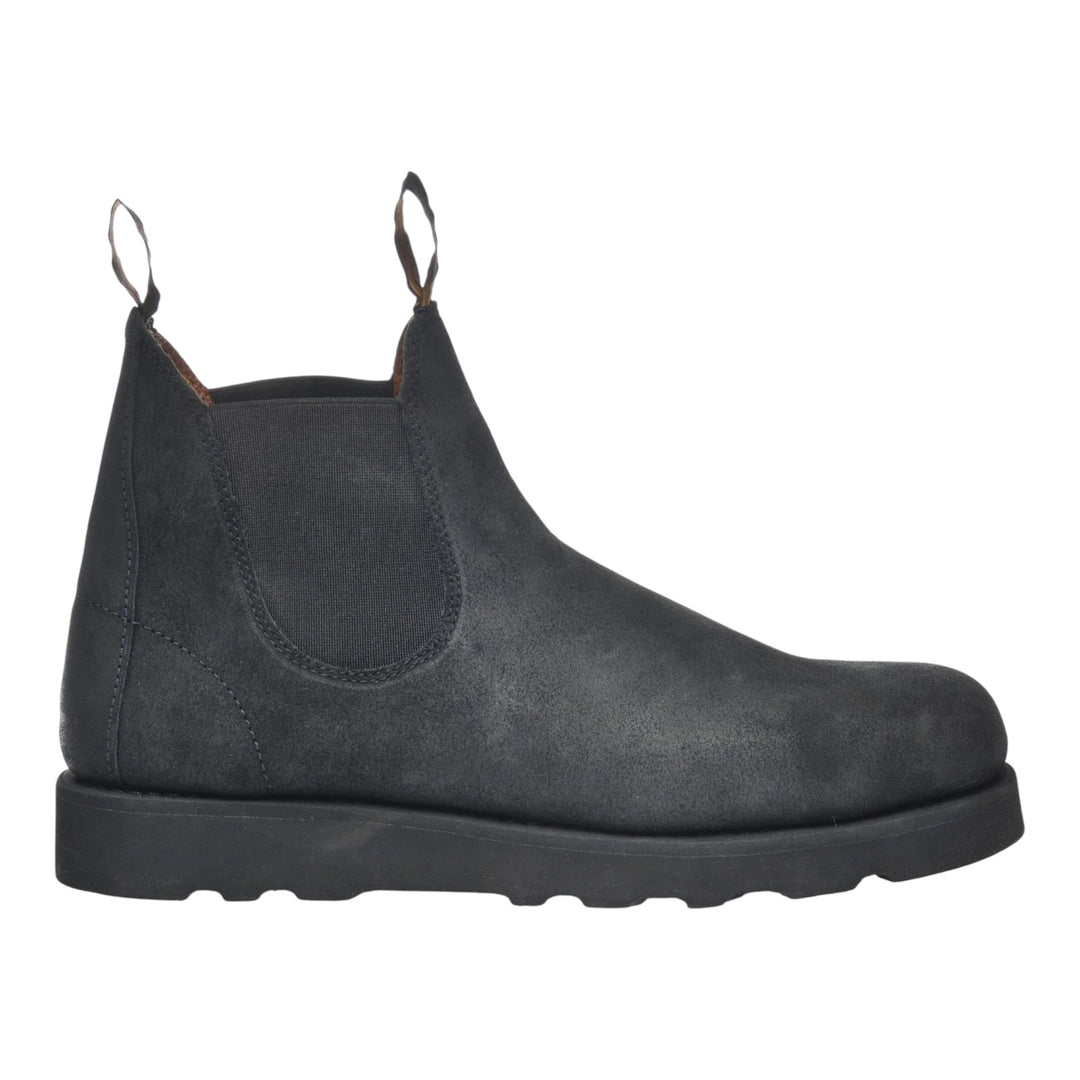
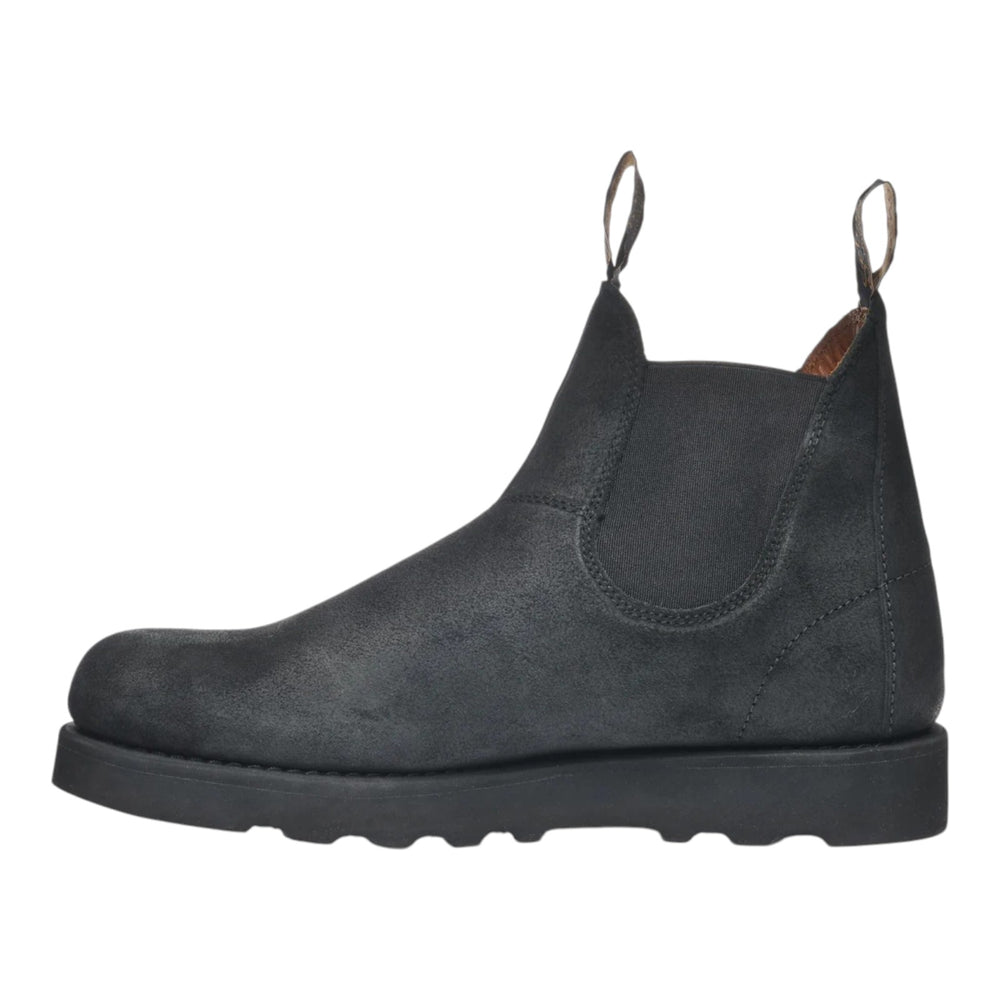
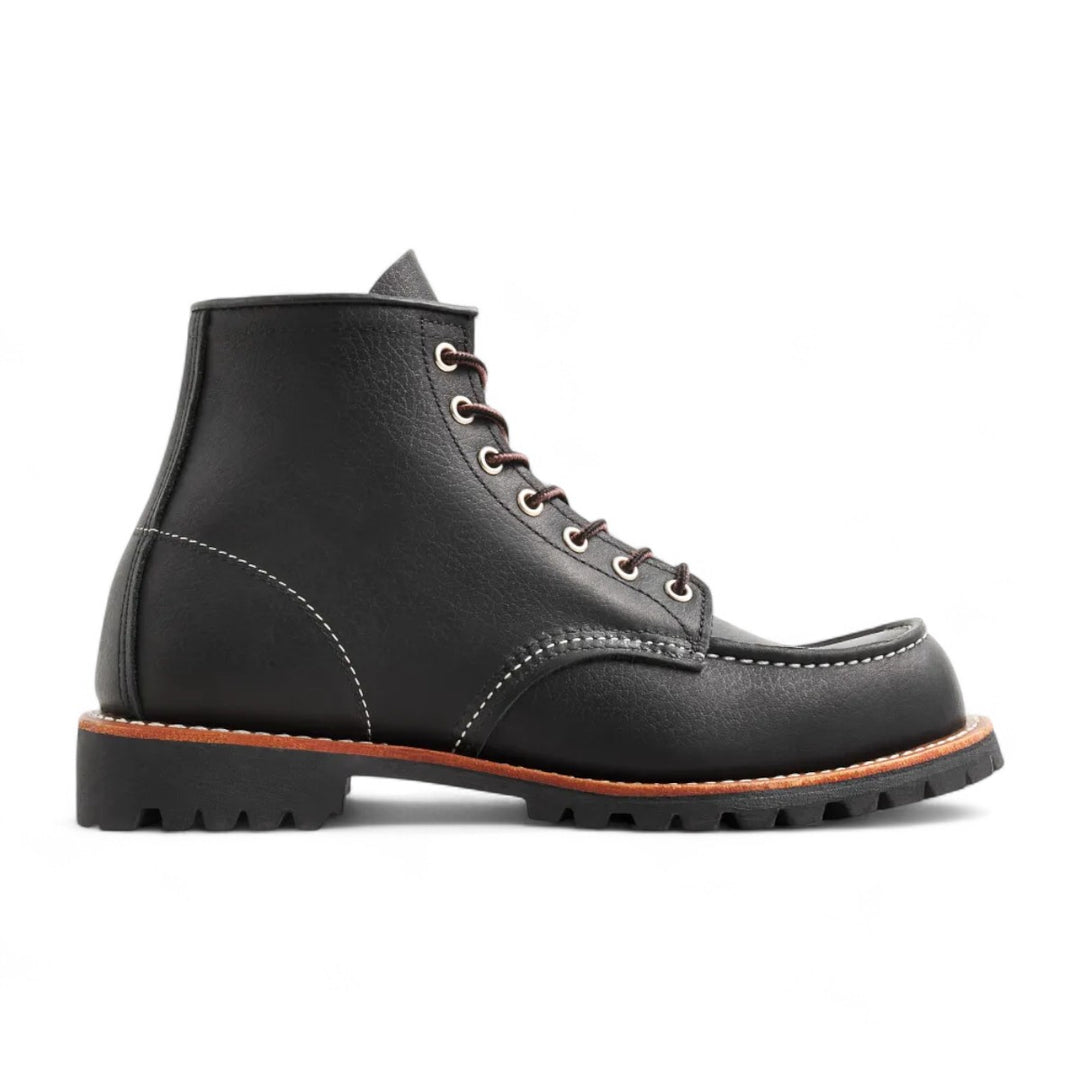
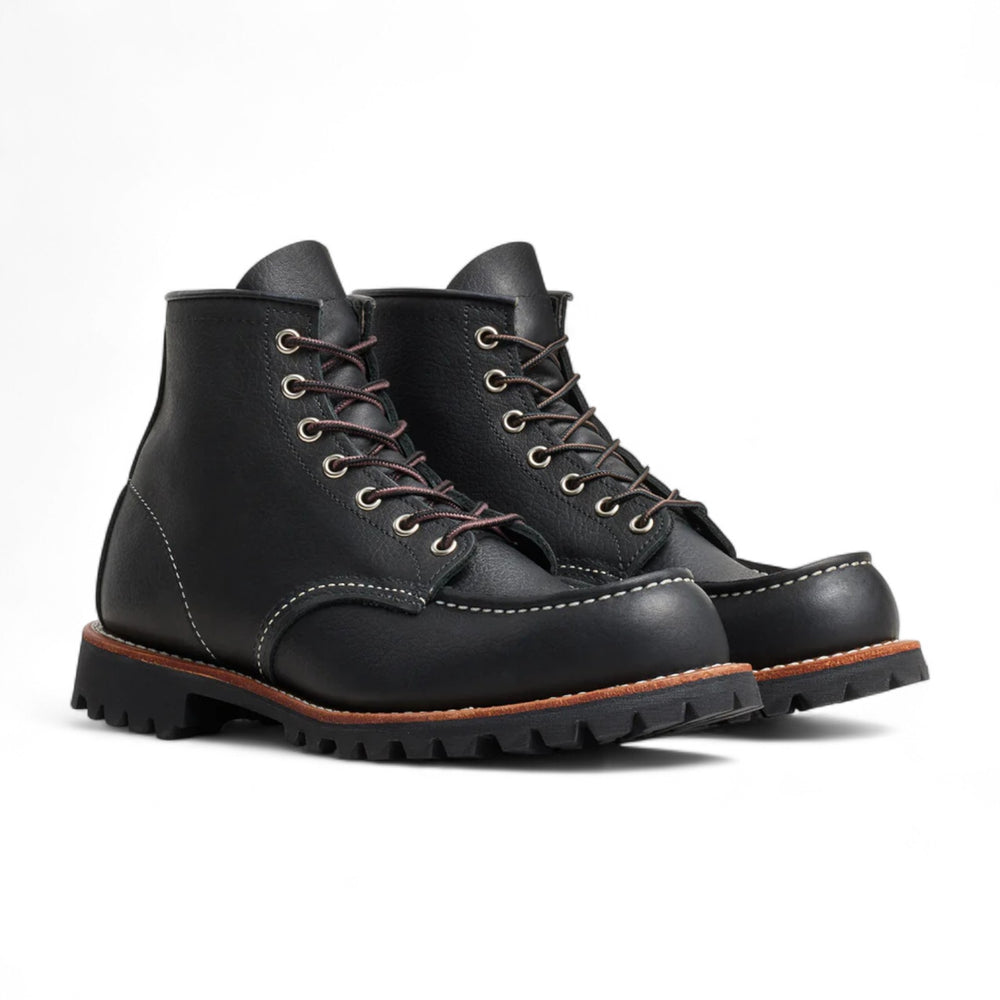
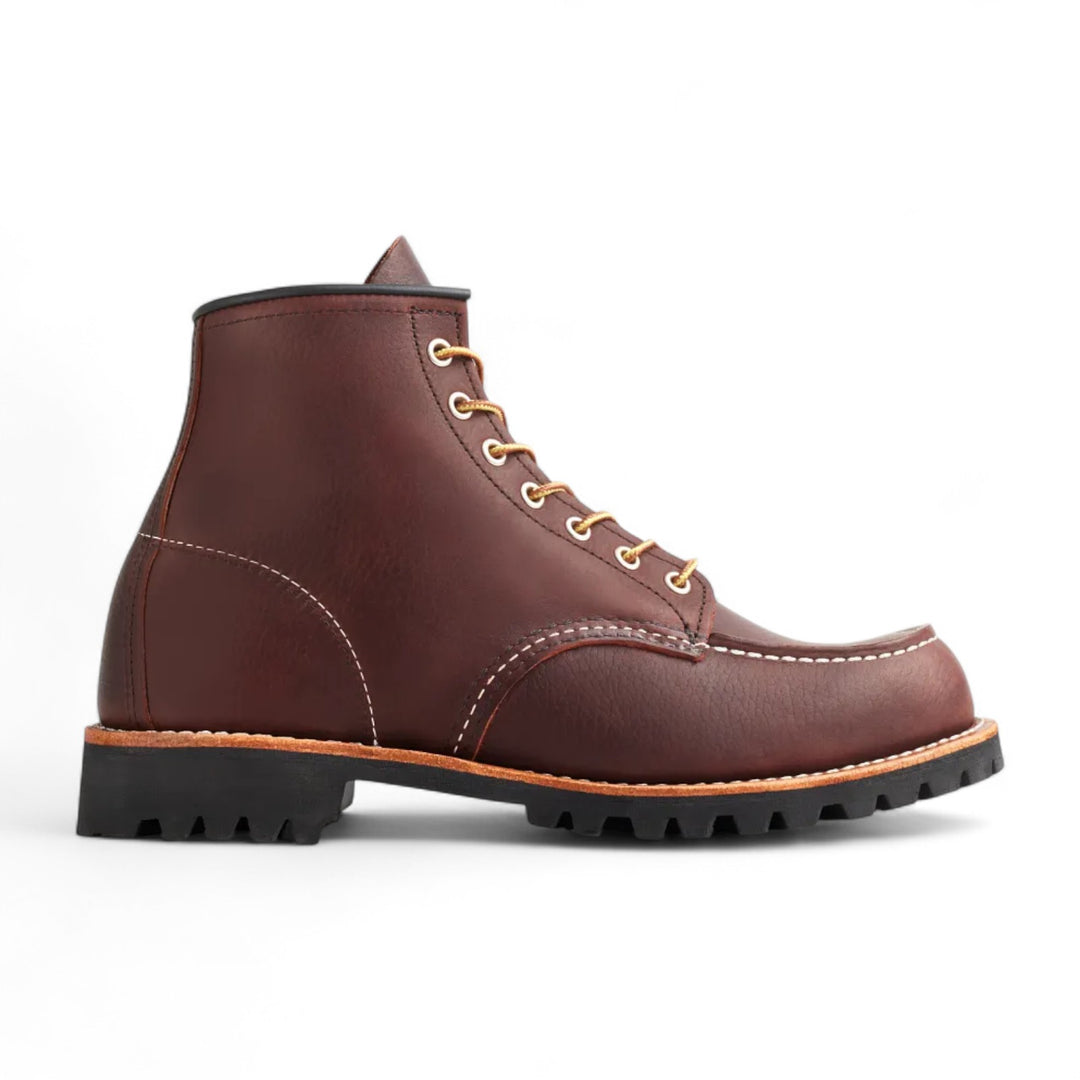
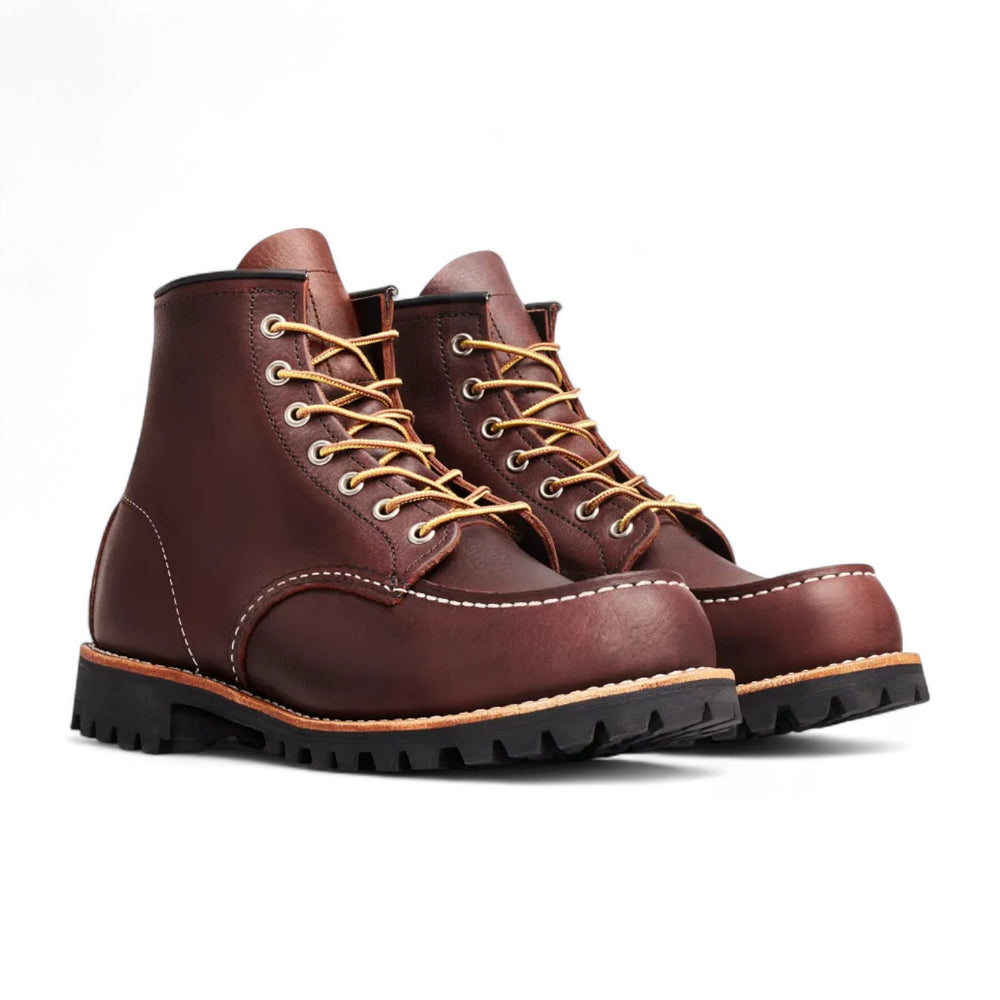
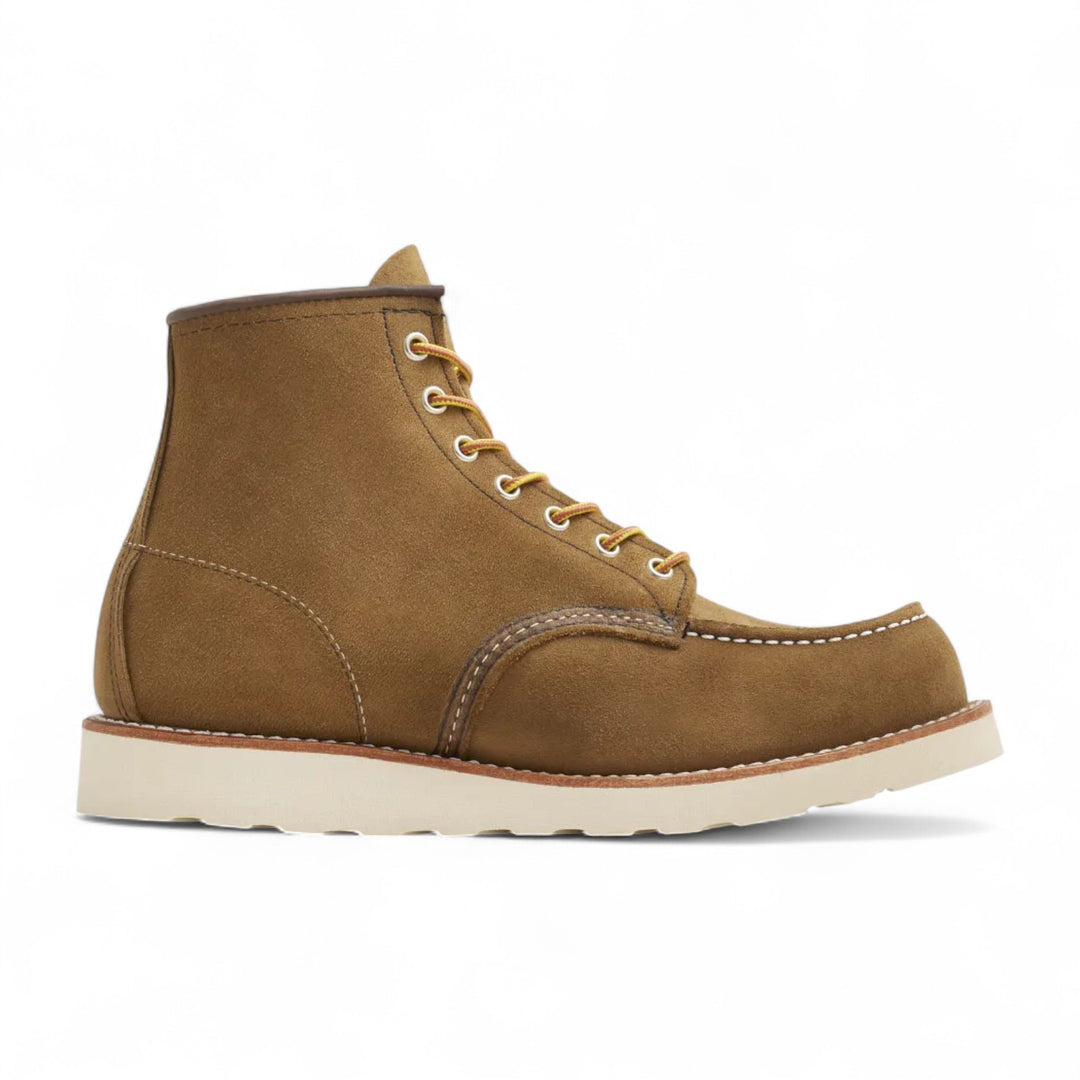
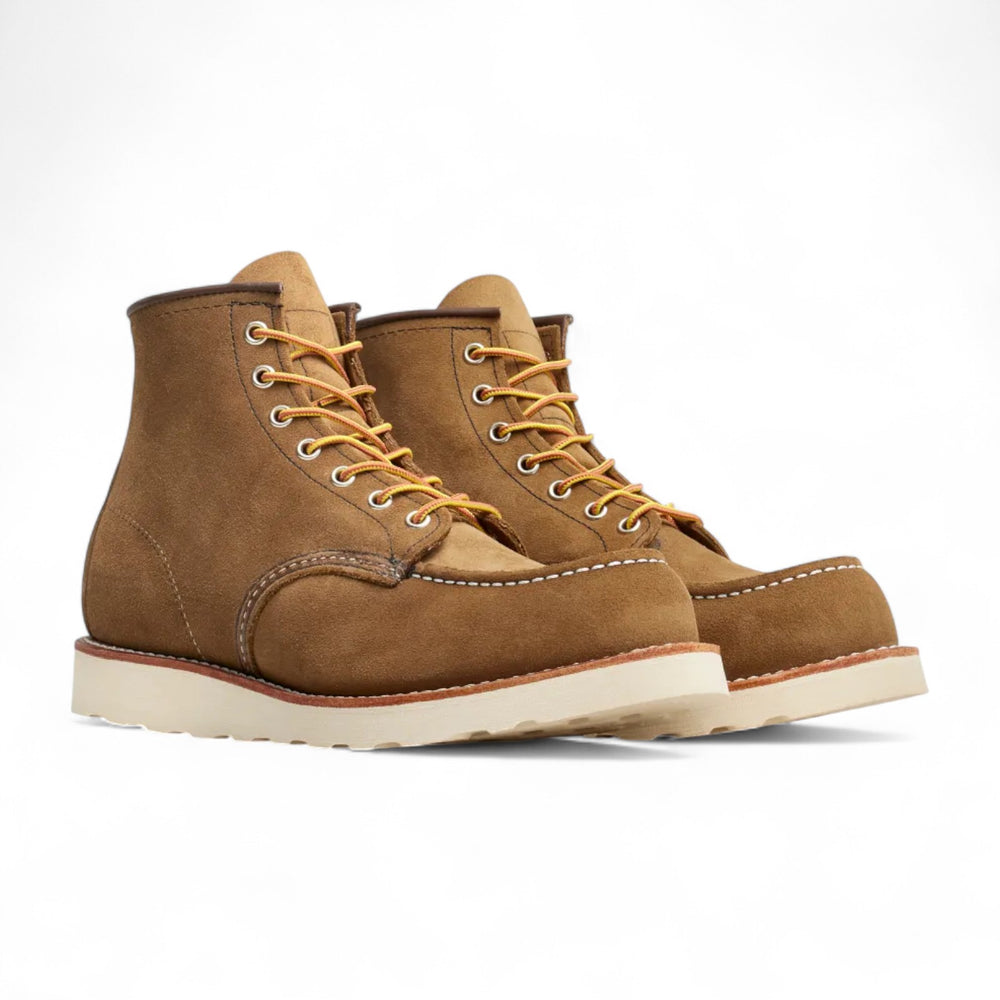
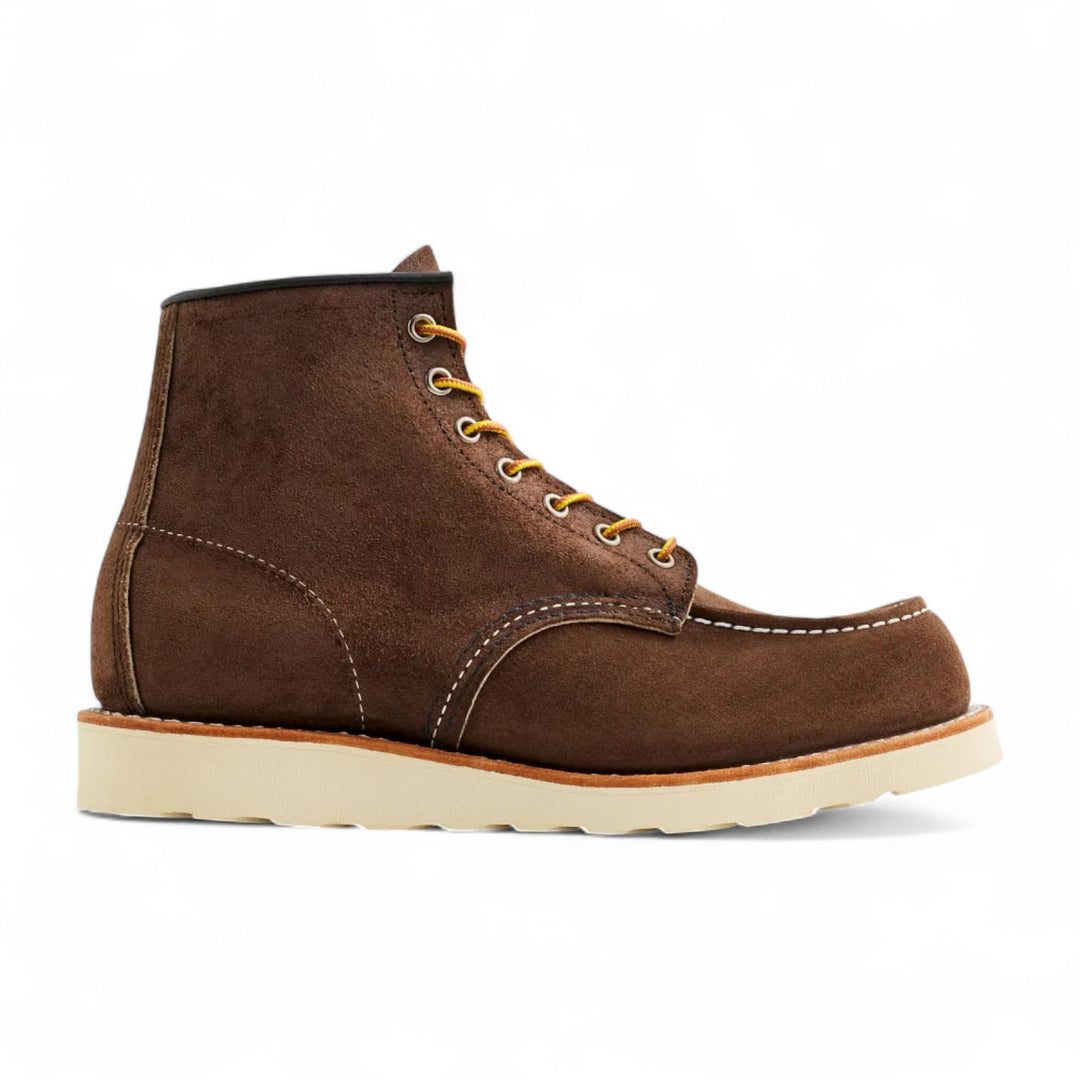
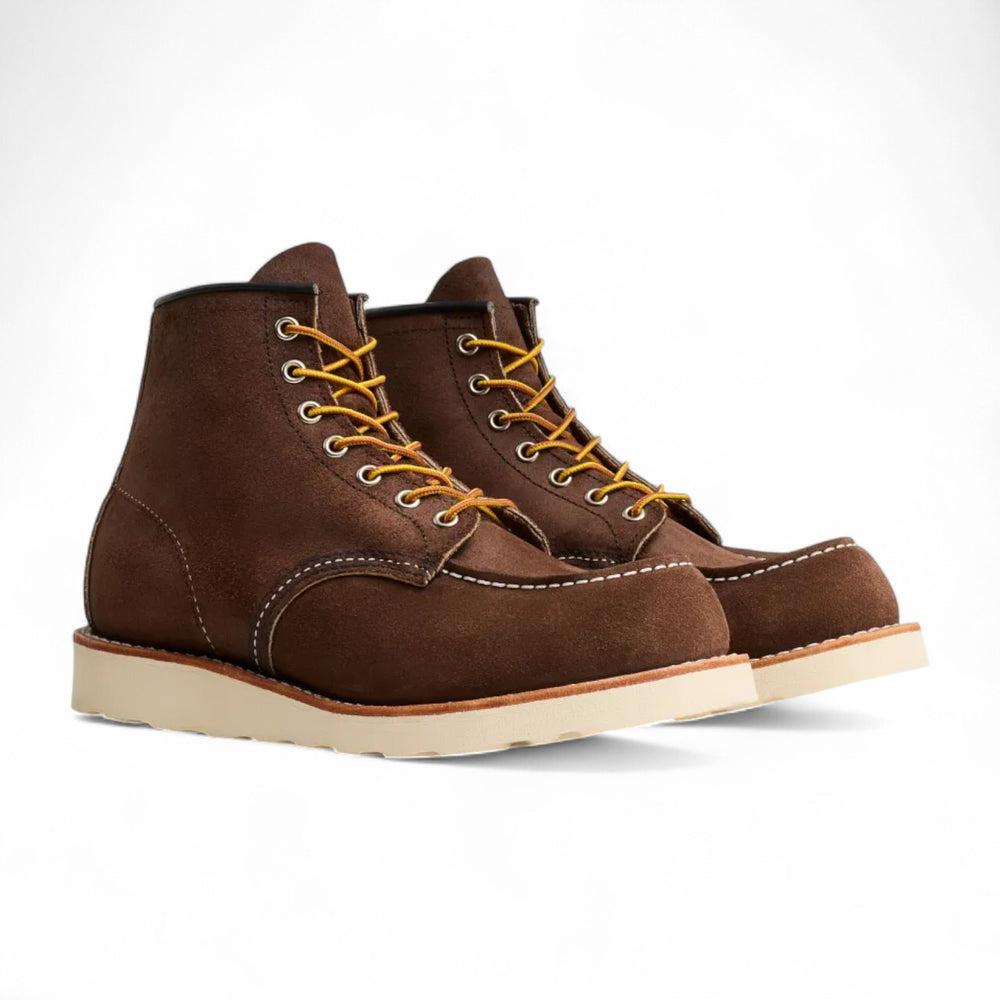
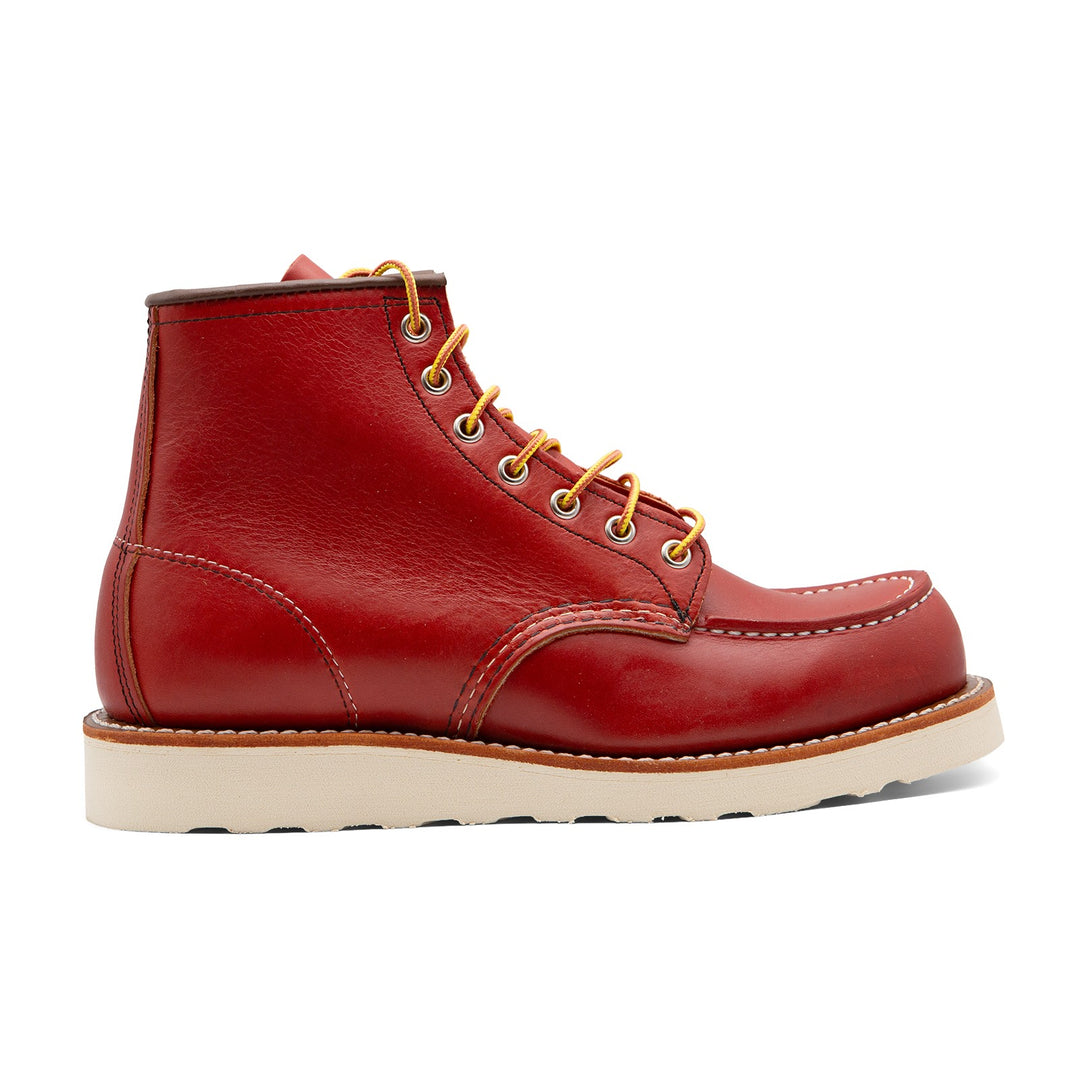
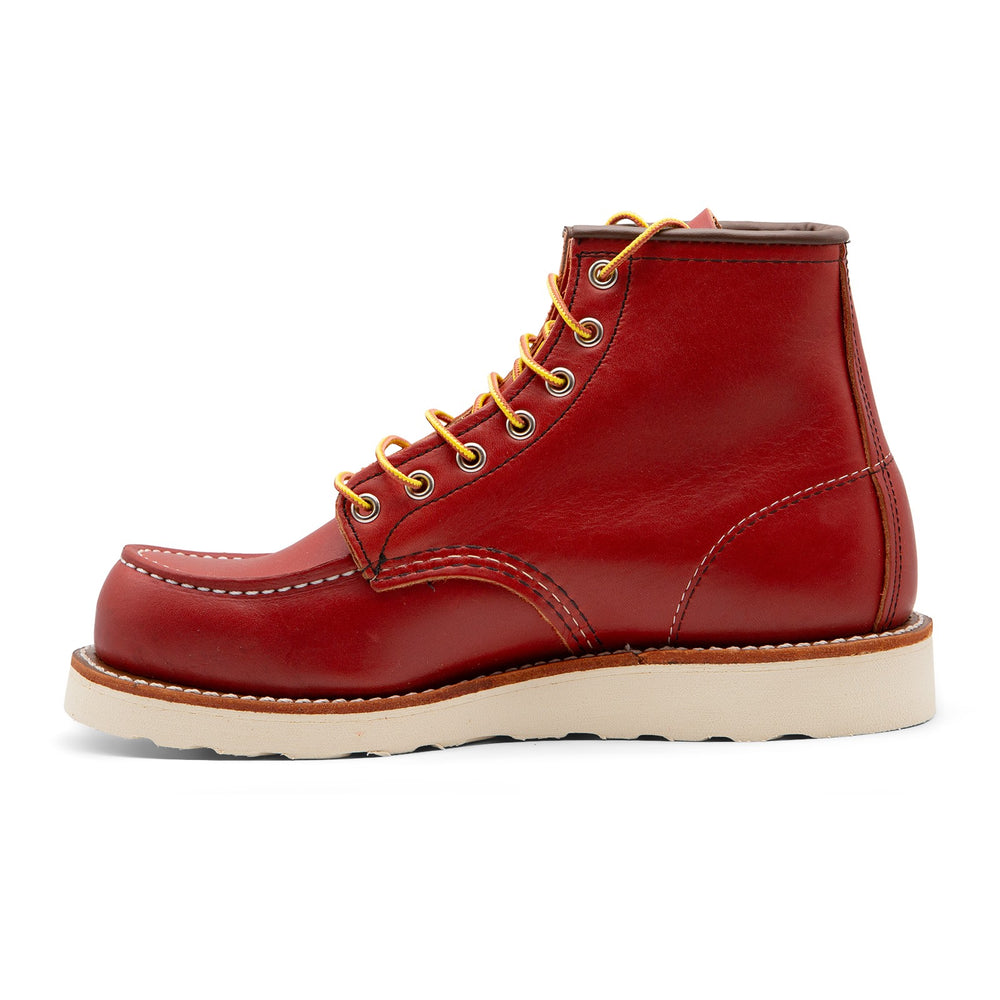
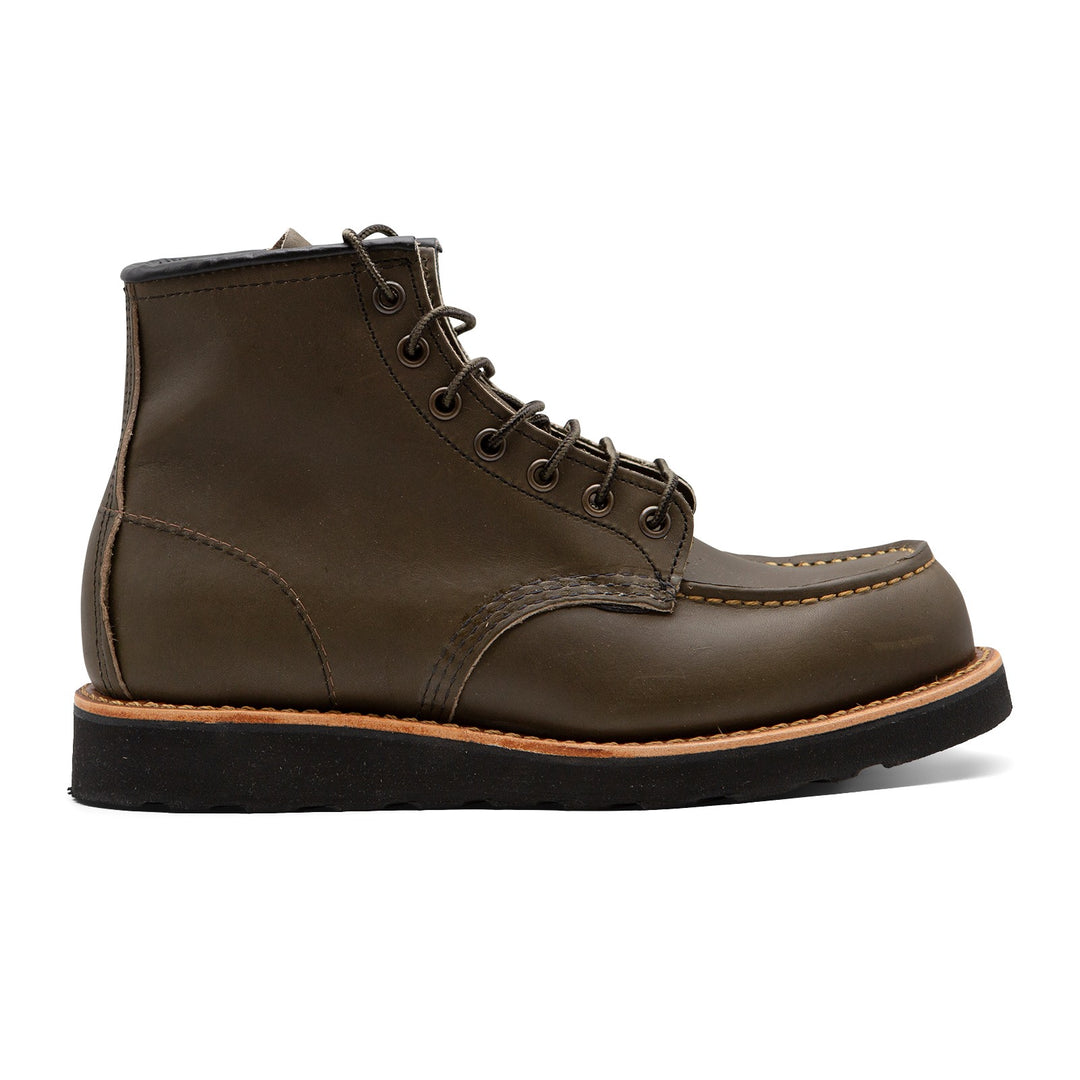
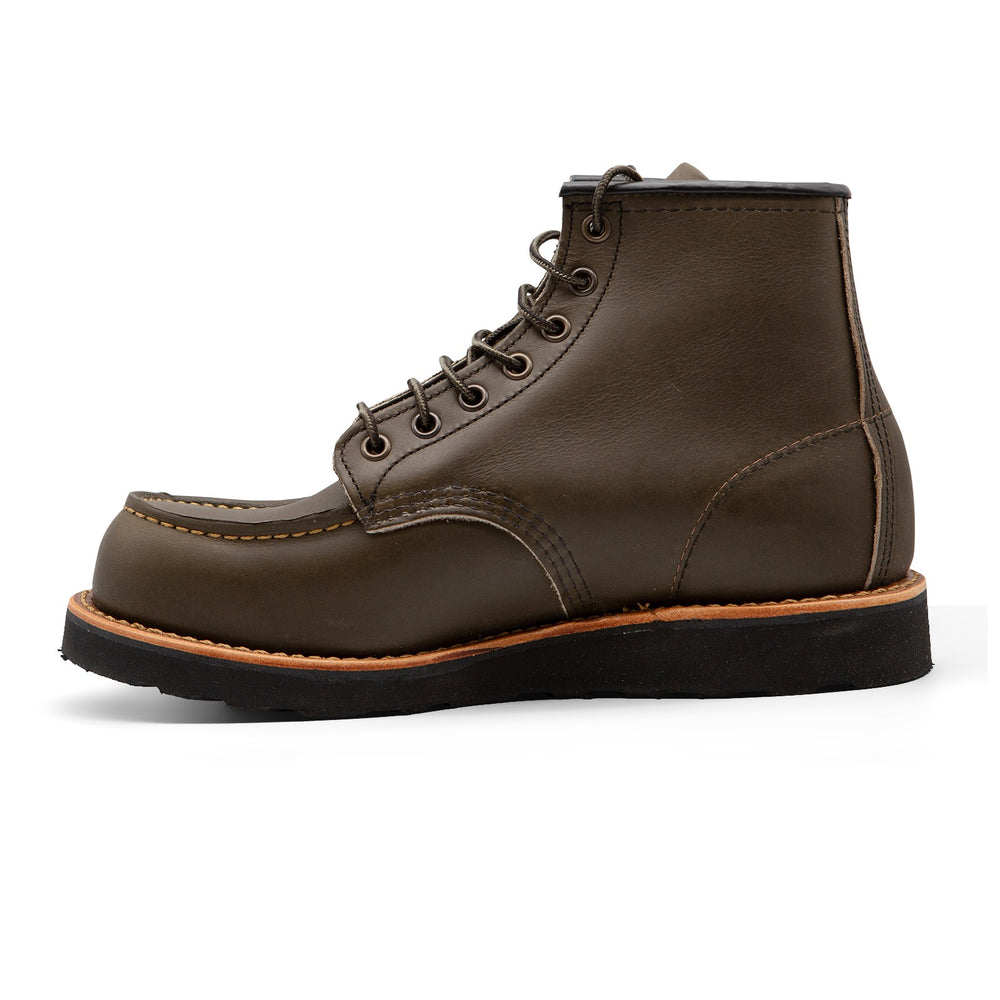
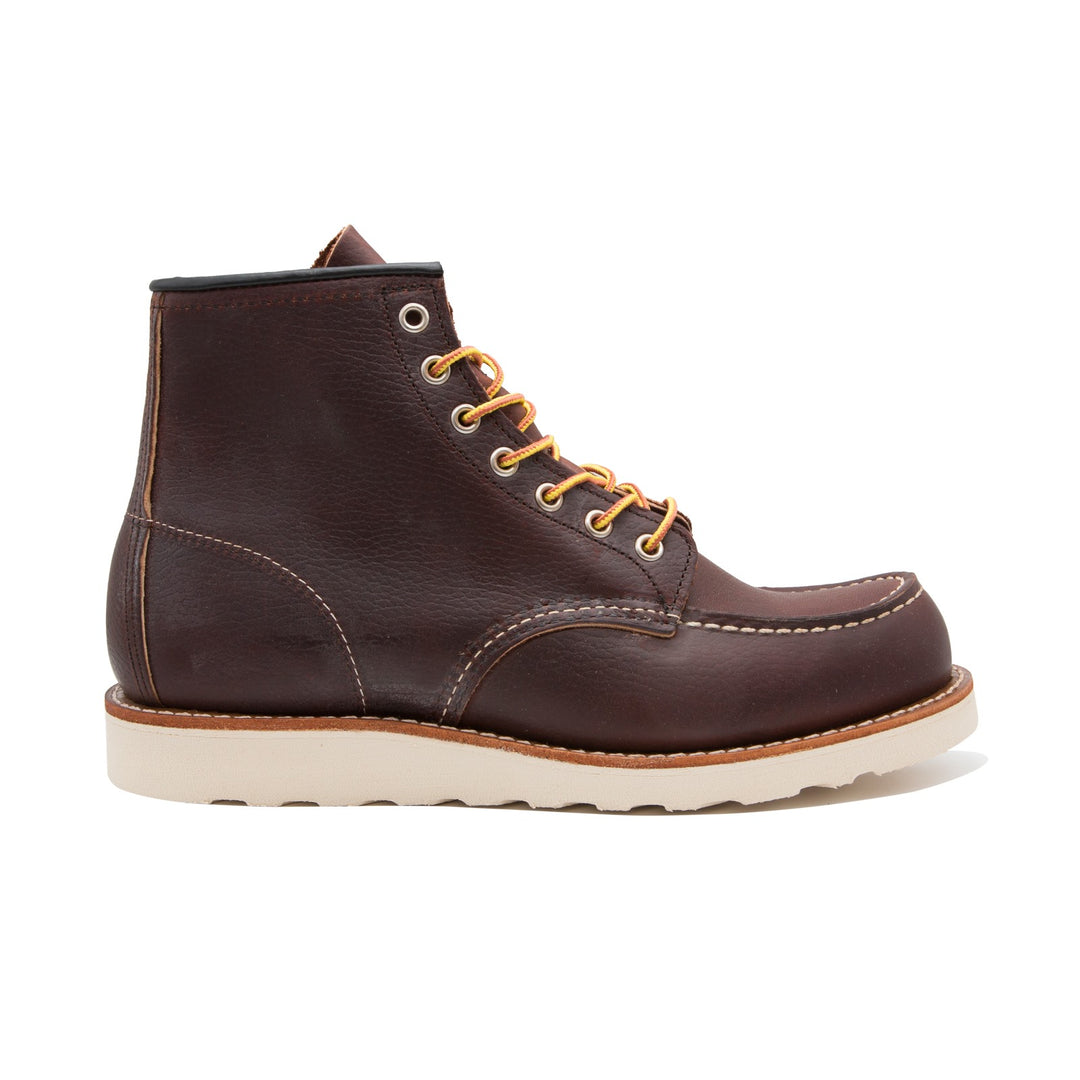
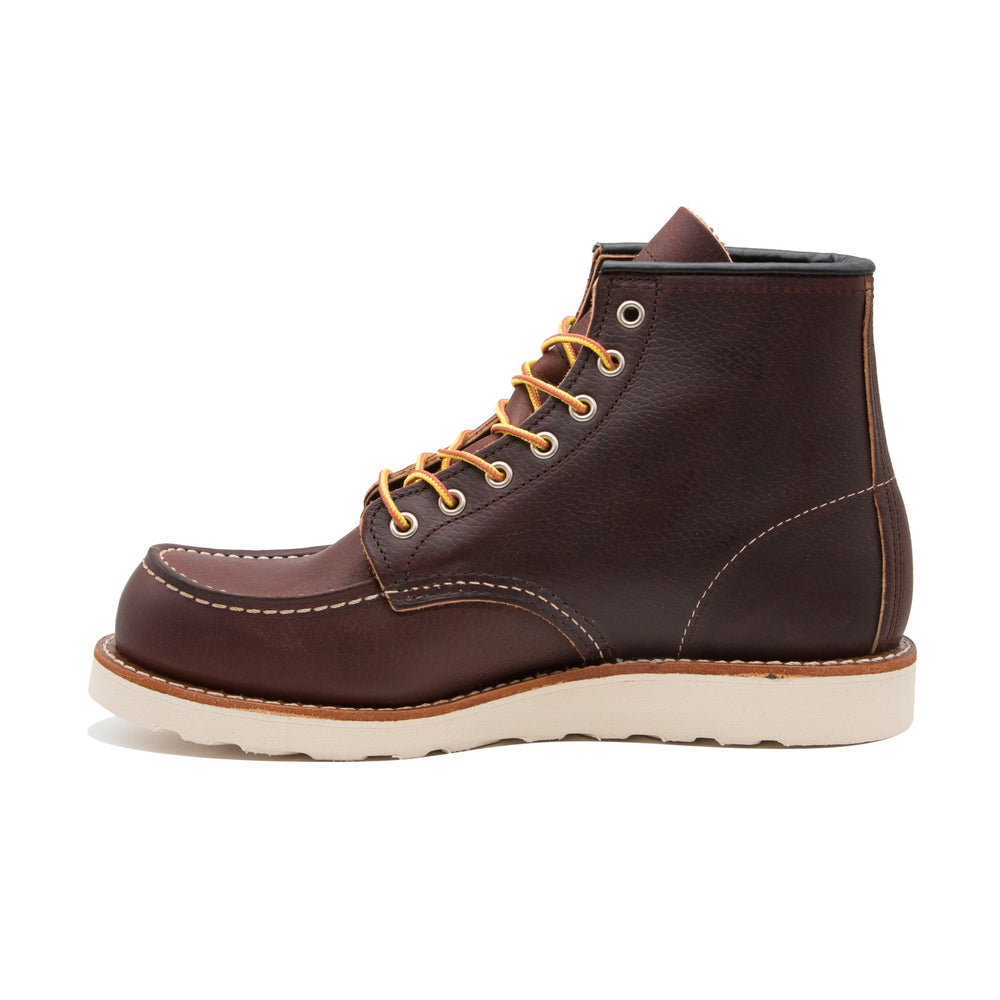
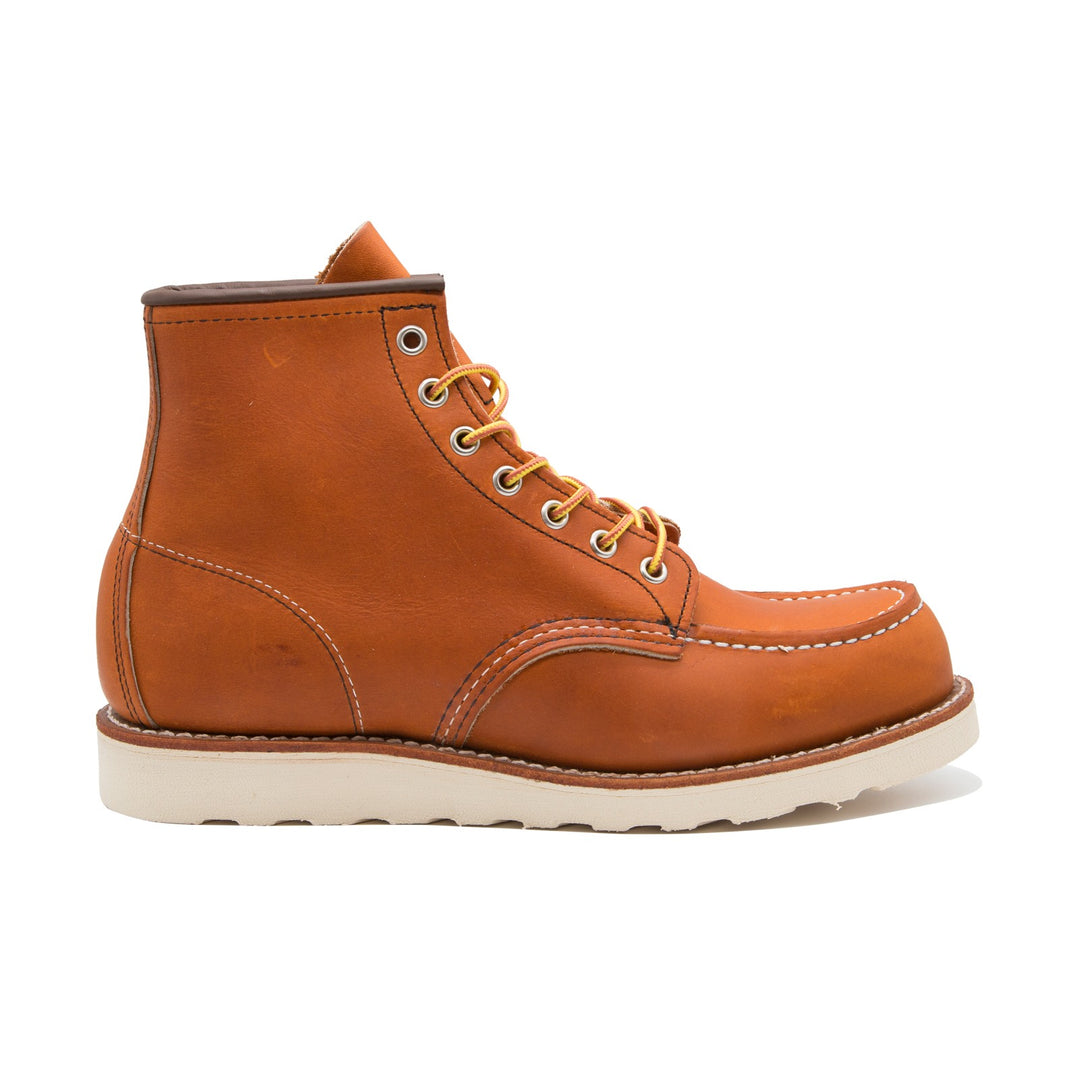
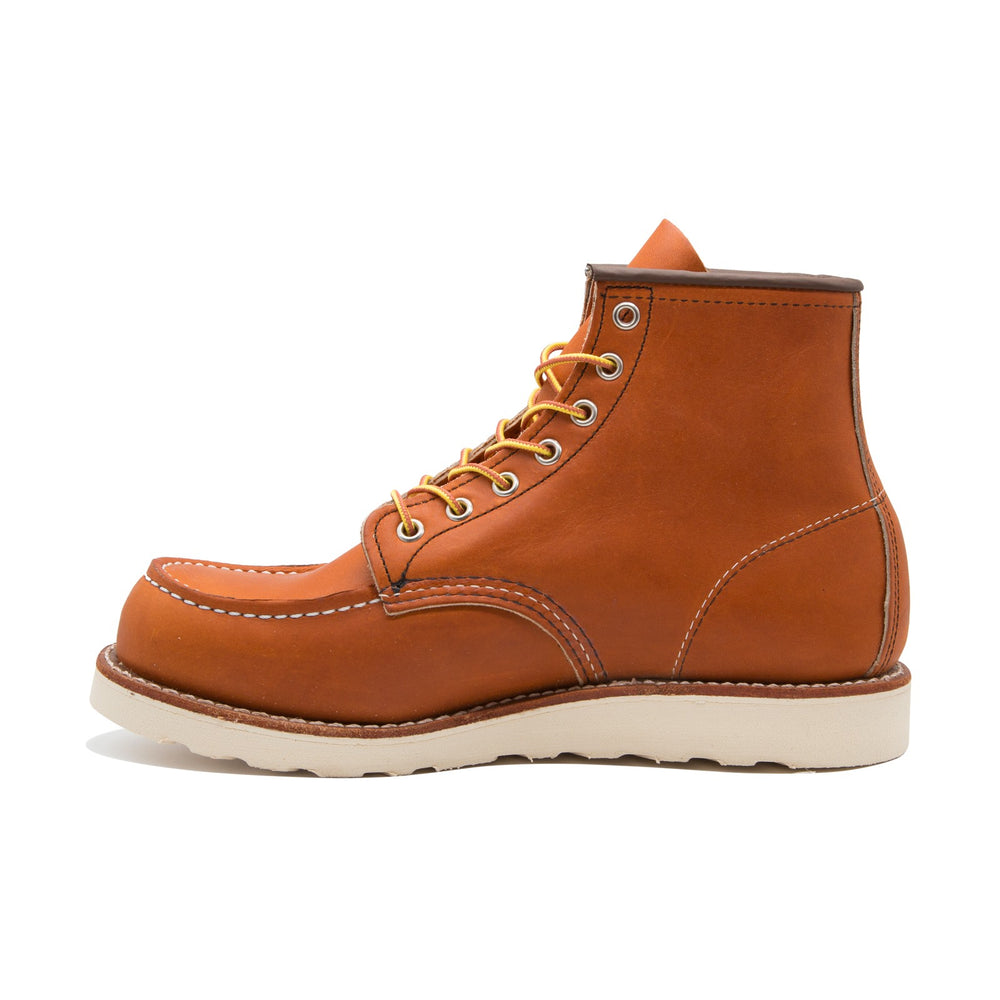
The collection features three families of men's boots, each with a distinctive design and style. The 6-inch Moc Toe boots are an icon of American workwear, recognizable by their distinctive U-shaped toe, reminiscent of the traditional moccasin worn by the Algonquin Native Americans. Originally designed in the early 1950s for hunters and farmers, these boots are built to withstand heavy work and adverse weather conditions. The Iron Ranger embodies the spirit of northern Minnesota's iron mines, featuring a double leather toe cap for extra protection and a reinforced heel for superior support. The ankle and Chelsea boots offer a more streamlined and versatile option, with lower heights that facilitate urban wear while maintaining a sturdy construction.
Constructions and materials
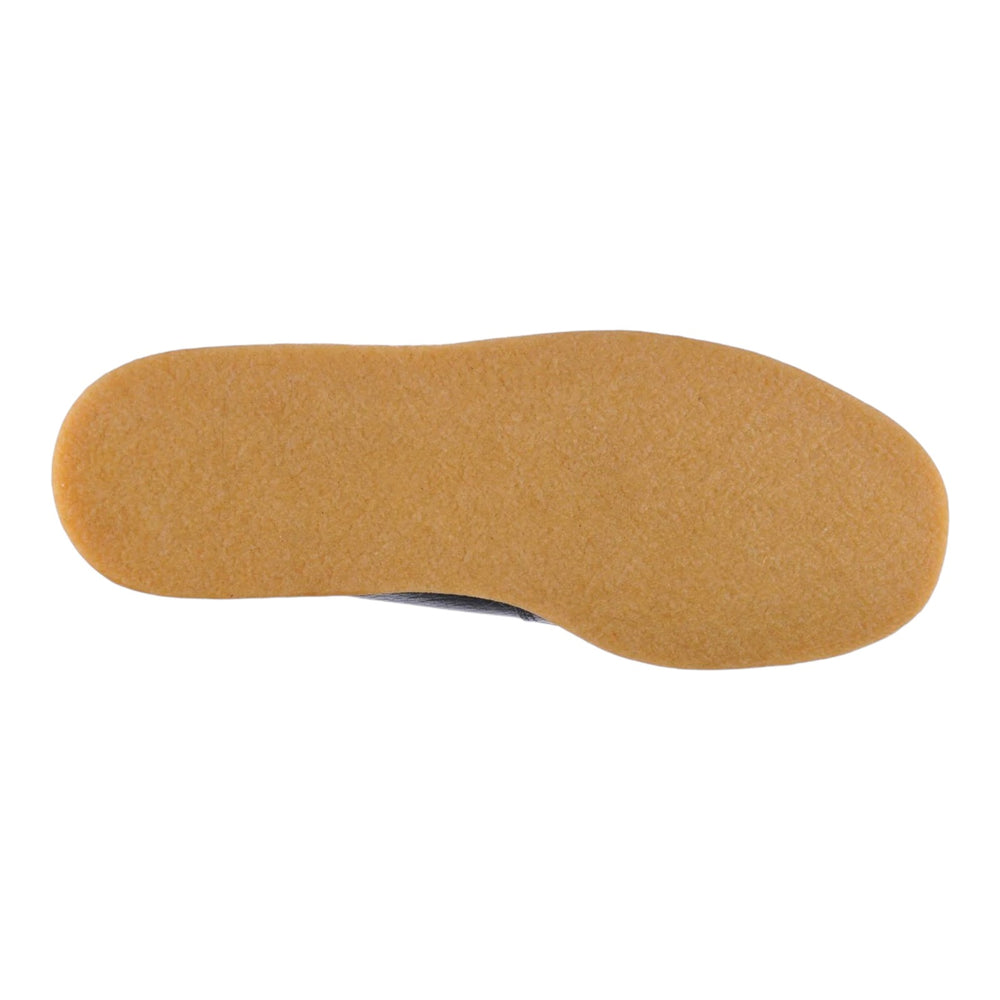
The footwear selection emphasizes traditional construction methods that ensure exceptional durability. The Goodyear welt construction featured on Red Wing boots uses a welt that connects the upper, insole, and outsole, allowing for multiple resolings over the years, making the boot a long-term investment. The leathers undergo specific processes: oil-tanned leathers such as Amber Harness, Black Harness, and Briar Oil Slick resist water and develop a natural patina with use, improving aesthetically over time; Oro-Legacy leather pays homage to the historic Red Wing archives of the 1970s, emphasizing natural character without added pigments; suede greased with special oils is soft to the touch and durable; roughout suede (Muleskinner, Mohave) offers a rugged texture and superior protection. The soles range from Vibram with technical lugs for maximum traction, to a white Cushion Crepe Wedge that combines comfort and grip, up to handcrafted natural crepe for flexibility and sustainability.
Fit and comfort
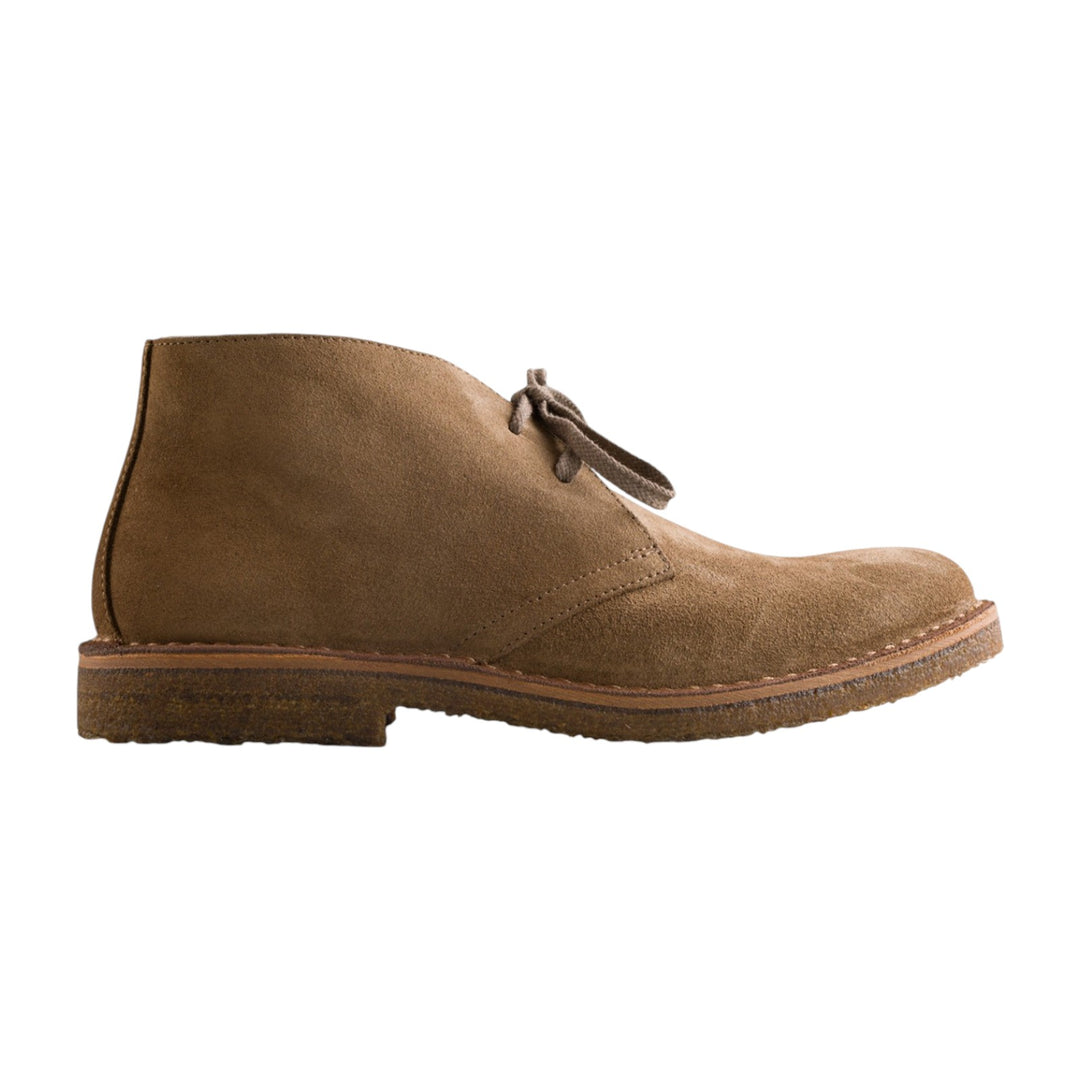
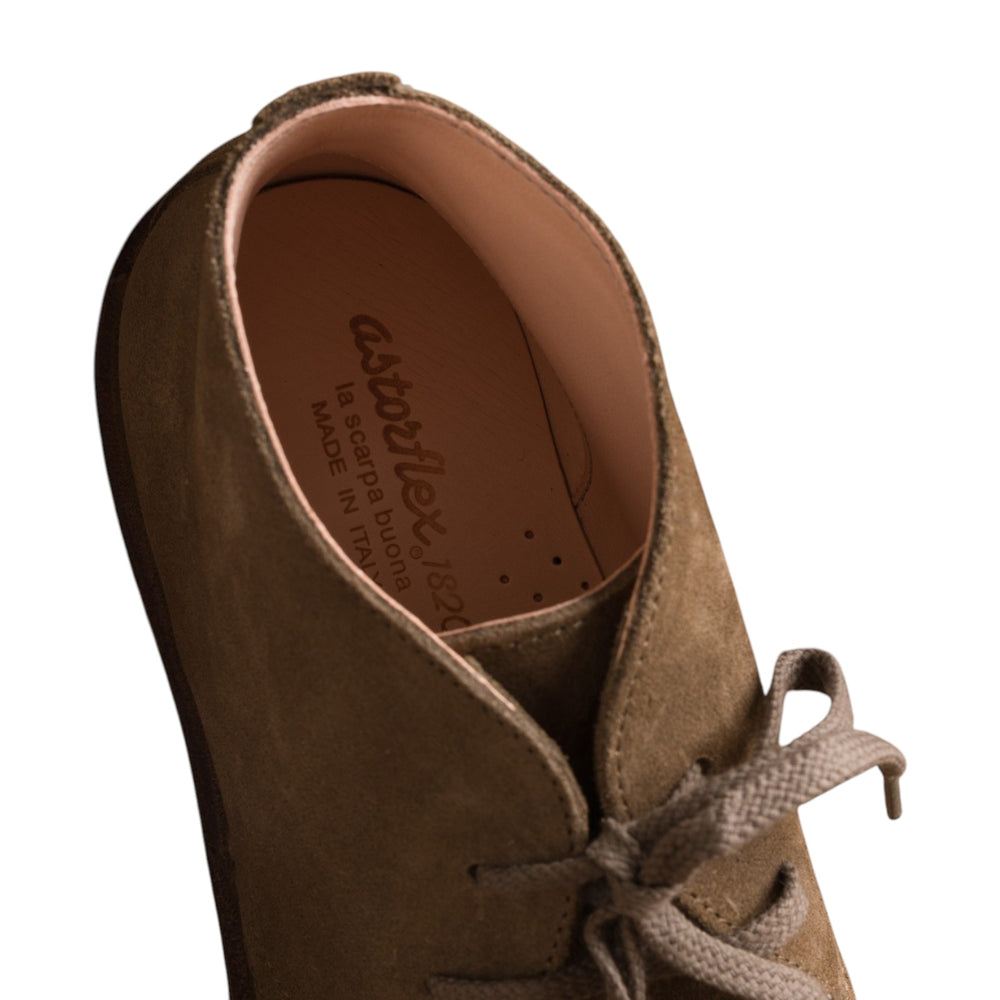
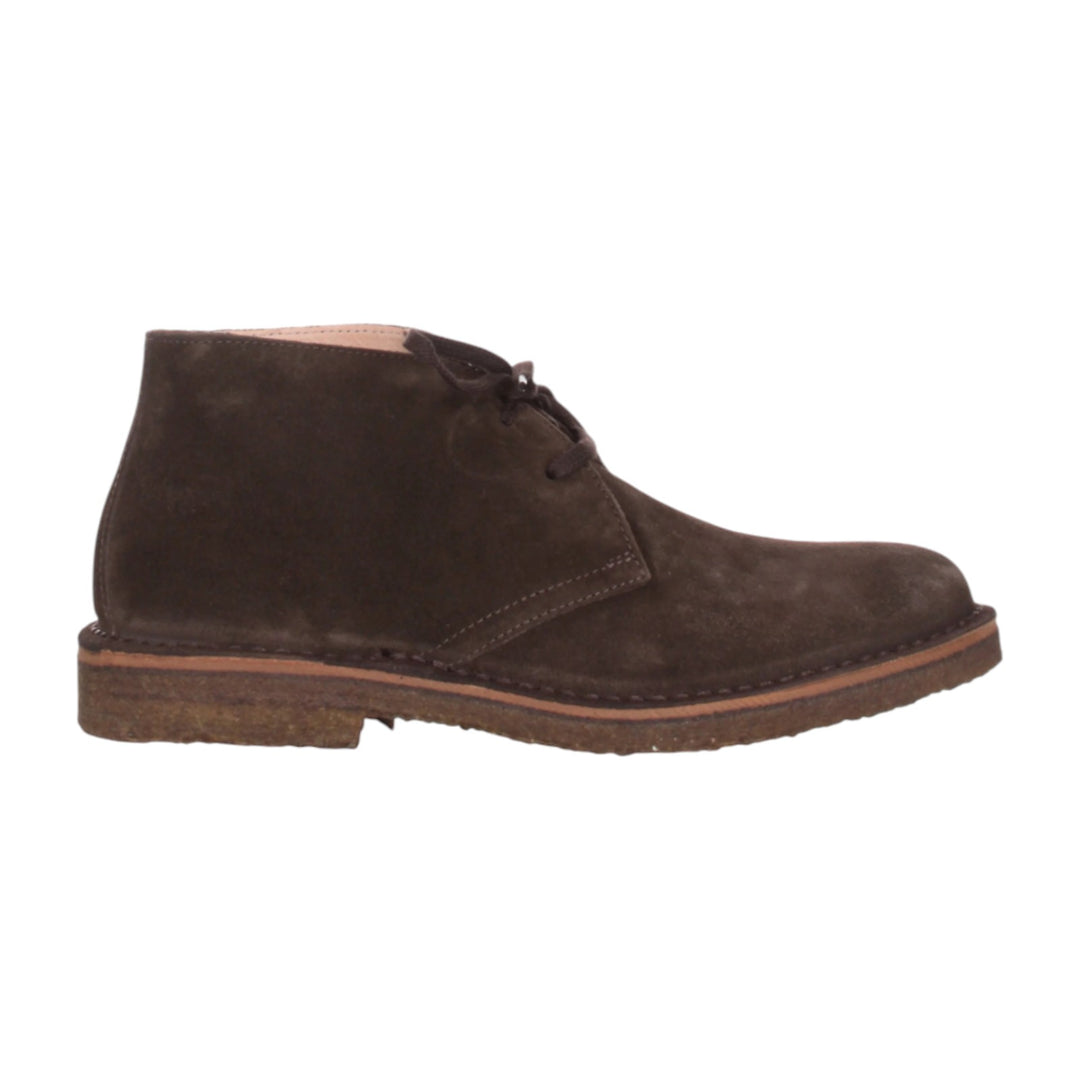
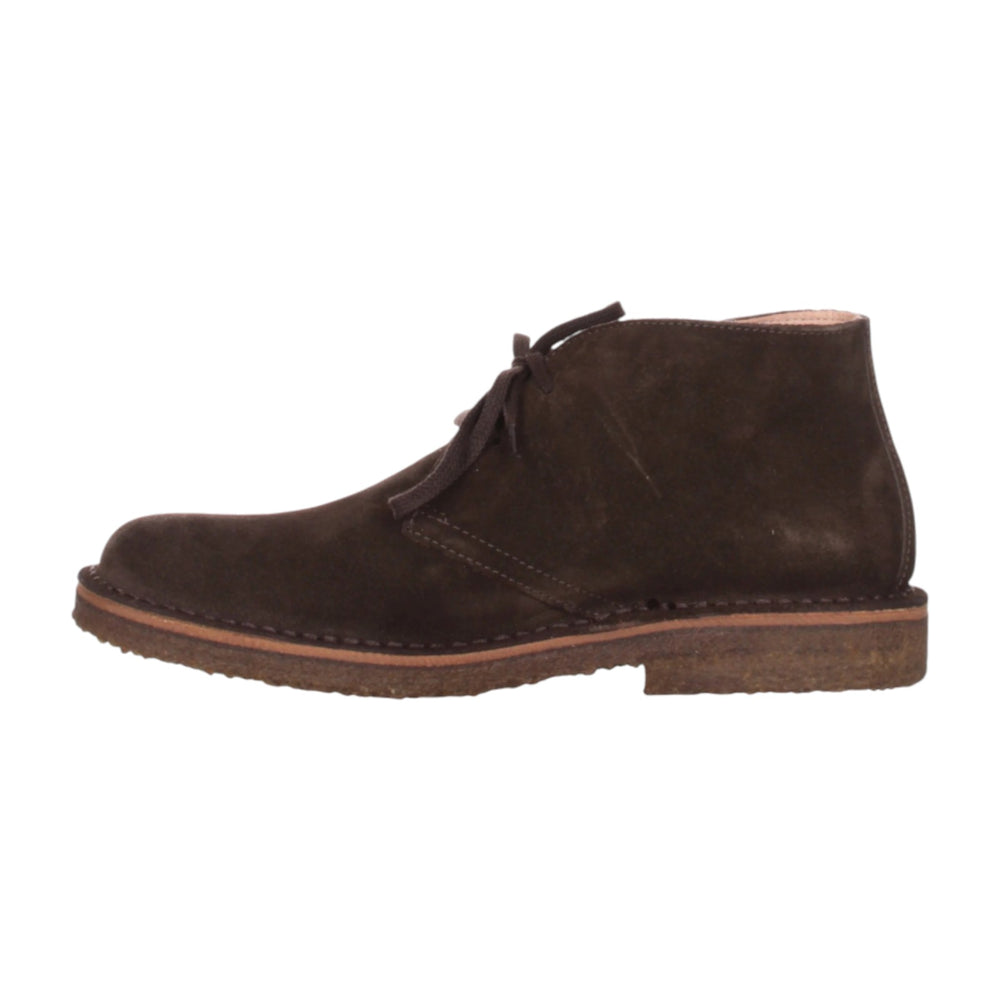
American workwear boots follow the US standard D (medium) width and are designed to adapt to the foot over time: the oil-tanned leather naturally gives in with use, molding the fit to the individual's shape. Italian Astorflex ankle boots feature a generous fit with a natural crepe sole that offers immediate flexibility. Sebago Chelsea boots feature elastic side panels and ankle straps for easy entry, with an ultralight EVA sole that absorbs shock. The leather lining, found in most models, prevents irritation and odors while ensuring breathability.
Occasions for use and maintenance
The Moc Toe and Iron Ranger boots are suitable for urban everyday wear, casual weekends, and fall/winter layering with raw denim and rugged outerwear. Lace-up ankle boots offer versatility from casual to smart-casual, even suitable for informal work settings. Chelsea boots are the quickest option to wear, ideal for those seeking practicality without sacrificing quality construction. Maintenance requires regular brushing, periodic application of boot oil or natural conditioner to nourish the oil-tanned leather, and specific products for suede (mink oil, protector). With proper care, these boots will last for decades, developing a unique character.
---
The selection highlights brands with distinctive heritage: Red Wing Shoes has been manufacturing in Red Wing, Minnesota since 1905, embodying the excellence of American workwear with Goodyear construction and leathers that age beautifully. Sebago represents the American footwear tradition with hand-sewn styles inspired by Swinging London in the 1950s and 1960s. Astorflex 1820 brings Italian craftsmanship with hand-made production, natural crepe soles, and timeless, essential design. Fall/Winter 25/26 and Carry Over collections.
---
Frequently Asked Questions
What's the difference between Moc Toe and Iron Ranger?
The Moc Toe features the distinctive stitched U-shaped toe reminiscent of a moccasin, typically with a Cushion Crepe Wedge sole for comfort. The Iron Ranger features a double leather toe cap for extra protection, a reinforced heel, and a Vibram Mini Lug outsole for superior traction, making it more rugged and protective.
How do Red Wing boots fit?
Red Wing boots are a D (medium) width and are designed to adapt to wear. The oil-tanned leather naturally gives, molding the fit to the shape of your foot. They may feel stiff at first, but after a few weeks of use, they adapt perfectly. We recommend using genuine Red Wing socks.
How do you care for oil-tanned leather boots?
Brush regularly to remove dust and dirt. Apply all-natural boot oil or conditioner every 2-3 months or when the leather appears dry. Avoid direct heat when wet; dry at room temperature. Do not use products with pigments that alter the natural patina.
Are Chelsea boots suitable for winter?
Suede Chelsea boots with leather lining offer good thermal insulation for autumn and mild winters. The EVA sole insulates from the cold. They are not waterproof, so in heavy rain or snow, it's advisable to apply suede protection spray.
How long do Goodyear-welted boots last?
With proper care, Goodyear boots last for decades. The construction allows for multiple resolings (3-5 times over the life of the boot), replacing the outsole without compromising the upper. The oil-tanned leather improves aesthetically with use, developing a unique patina.
What is the difference between Vibram and Cushion Crepe soles?
The Vibram outsole offers technical lugs for maximum traction on rough terrain, oil resistance, and superior durability, ideal for intensive use. The Cushion Crepe Wedge is softer, offering exceptional comfort and grip on urban surfaces, with a more casual, vintage aesthetic.