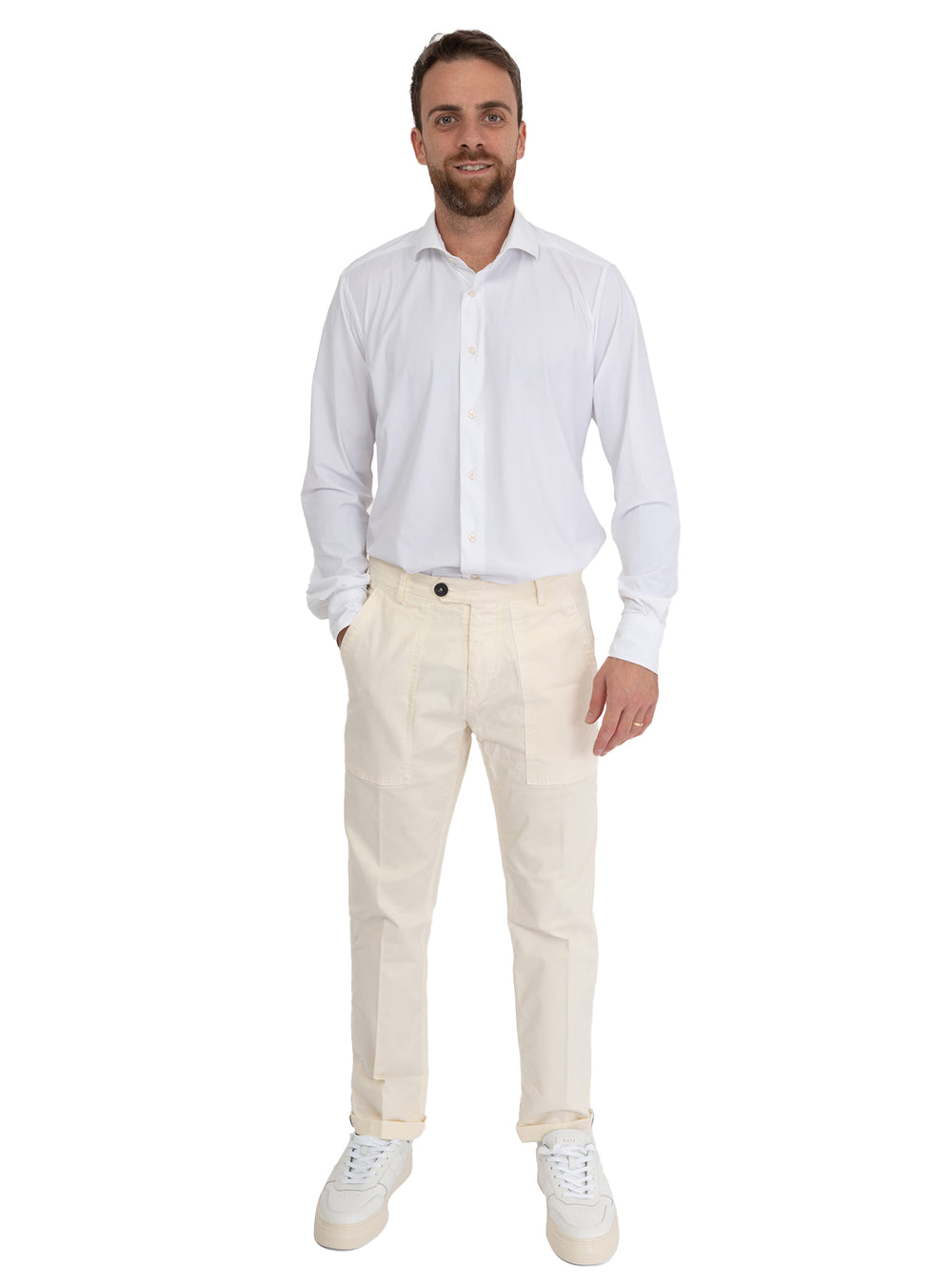
Types of Trousers and Fits
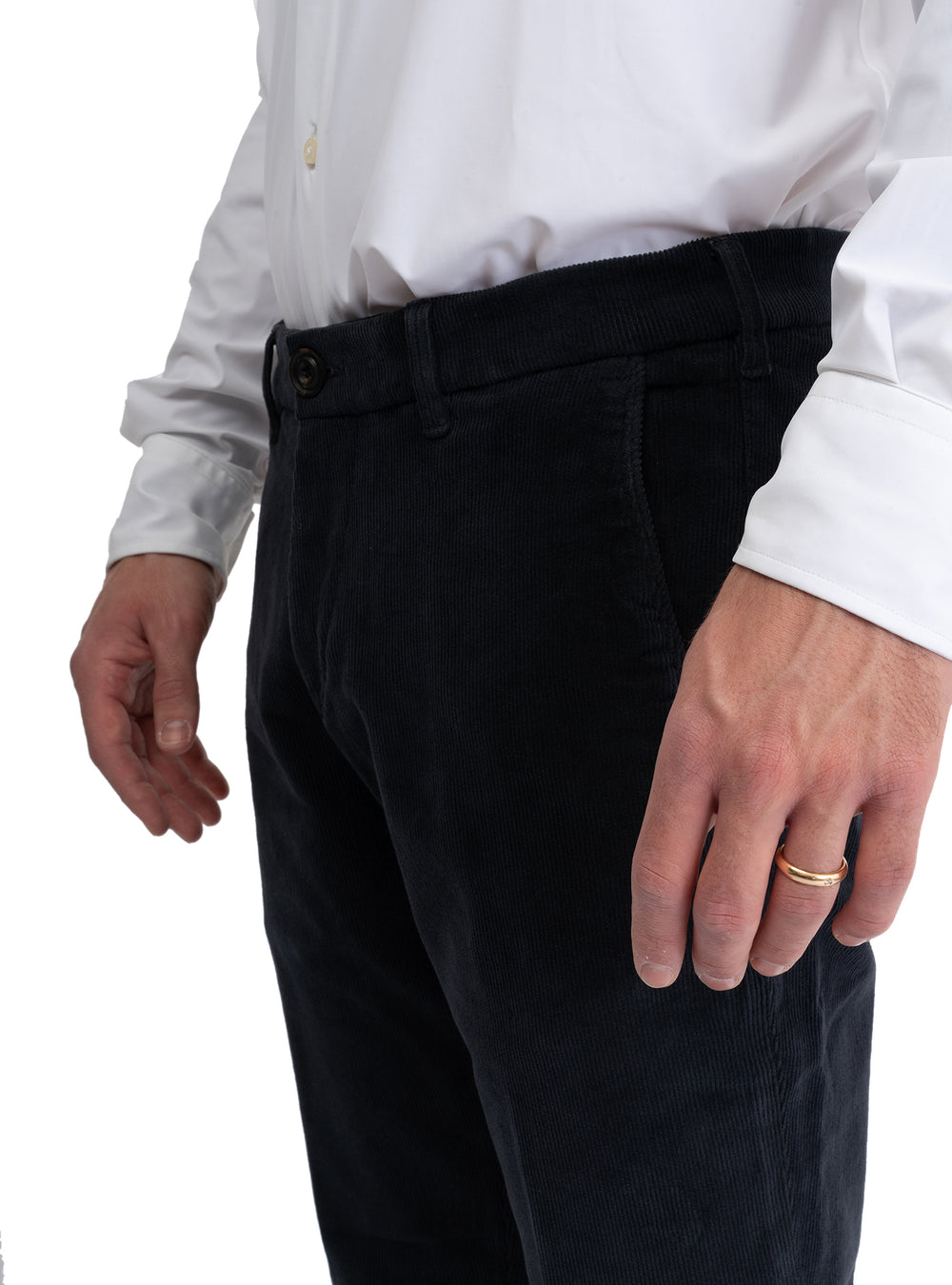
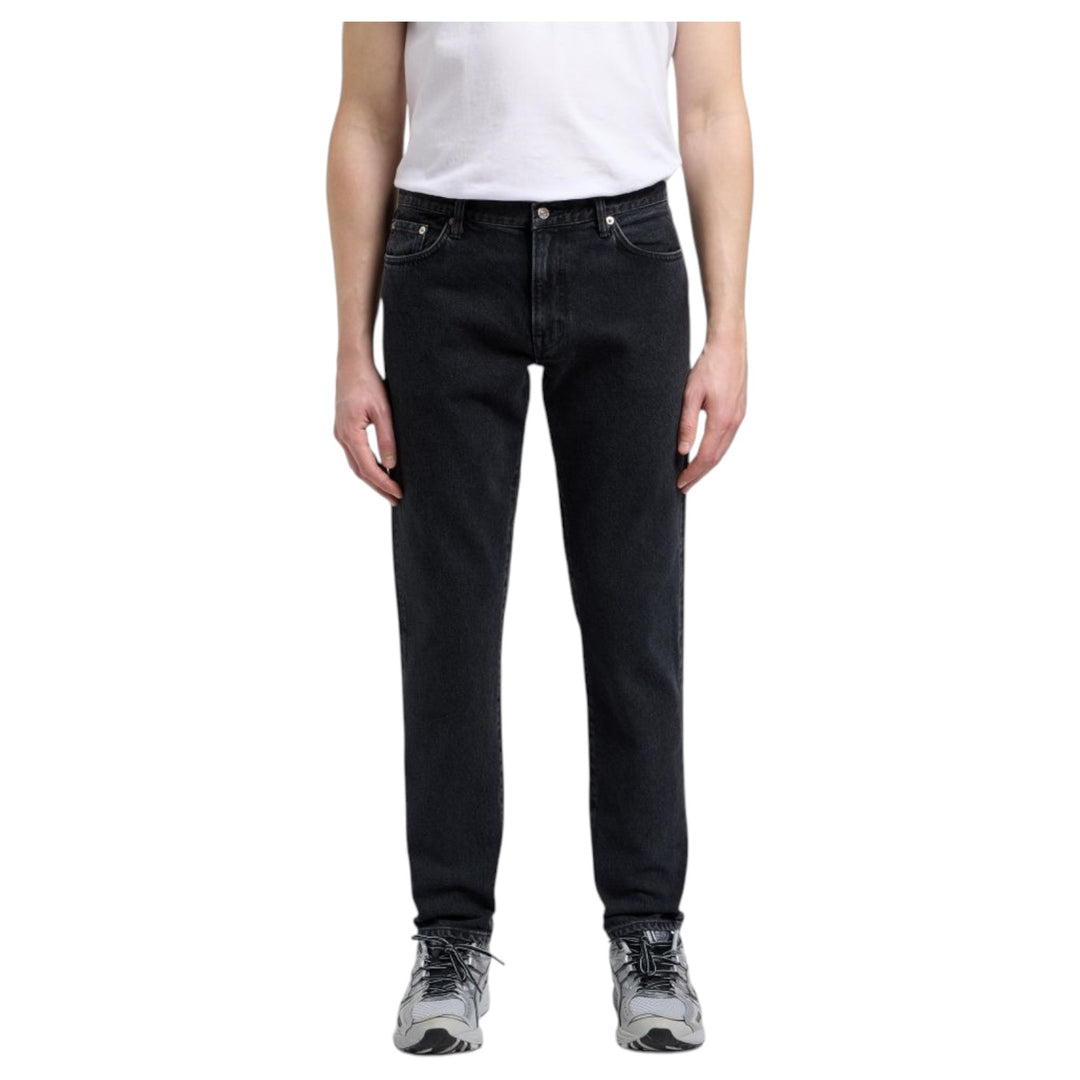
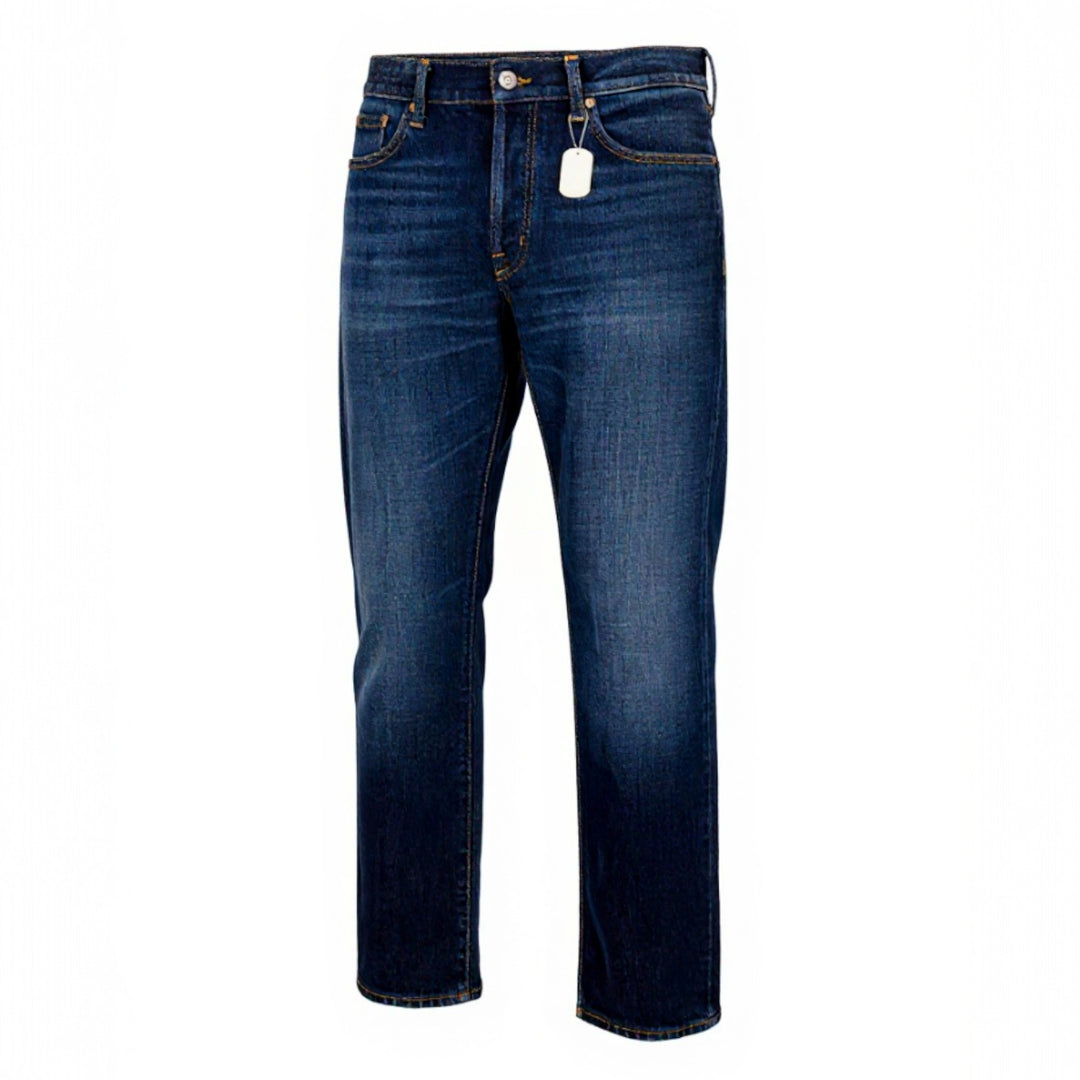
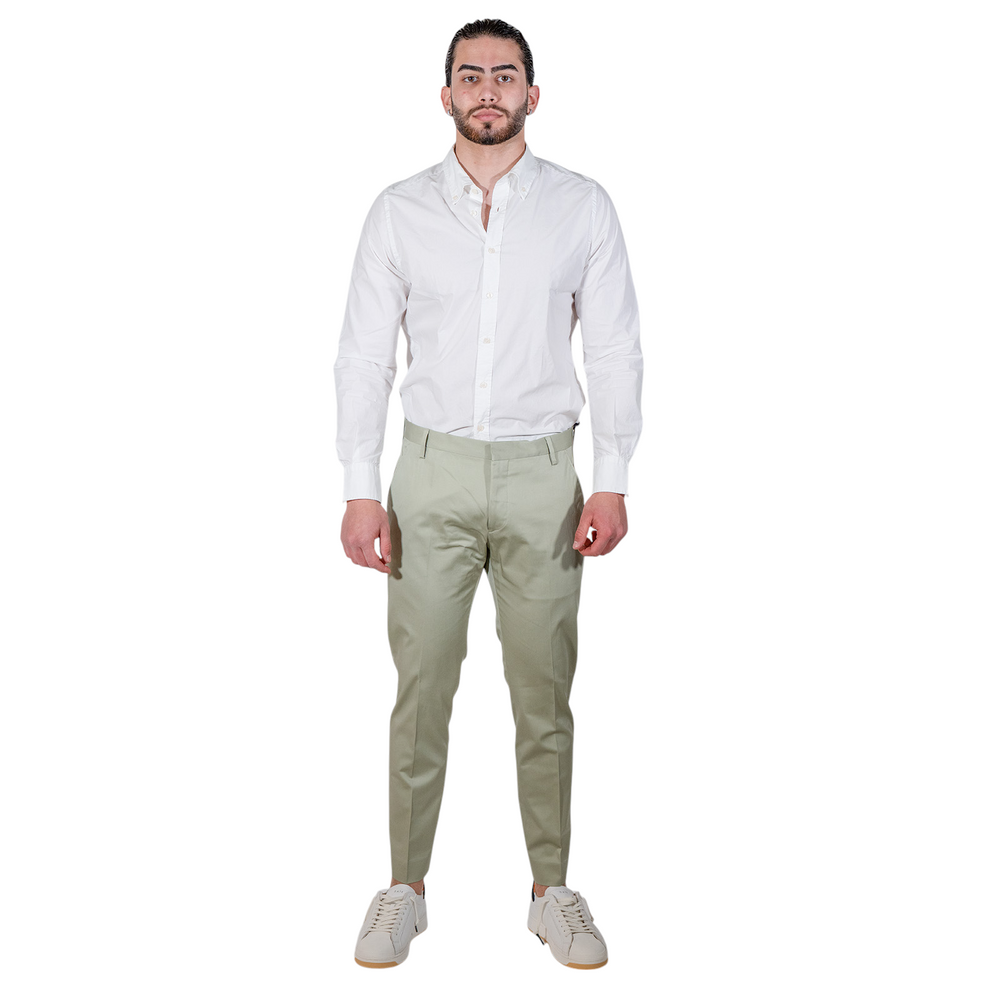
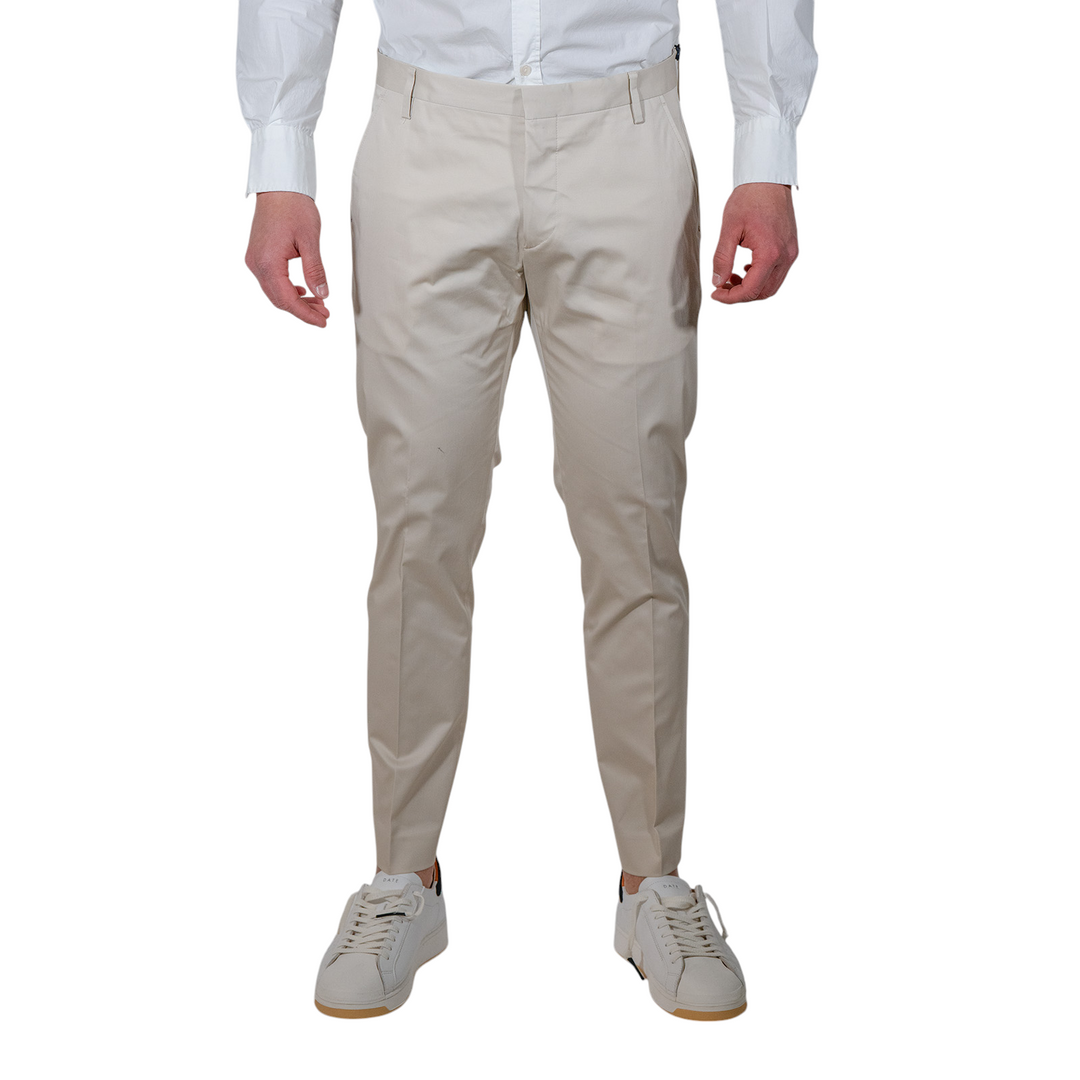
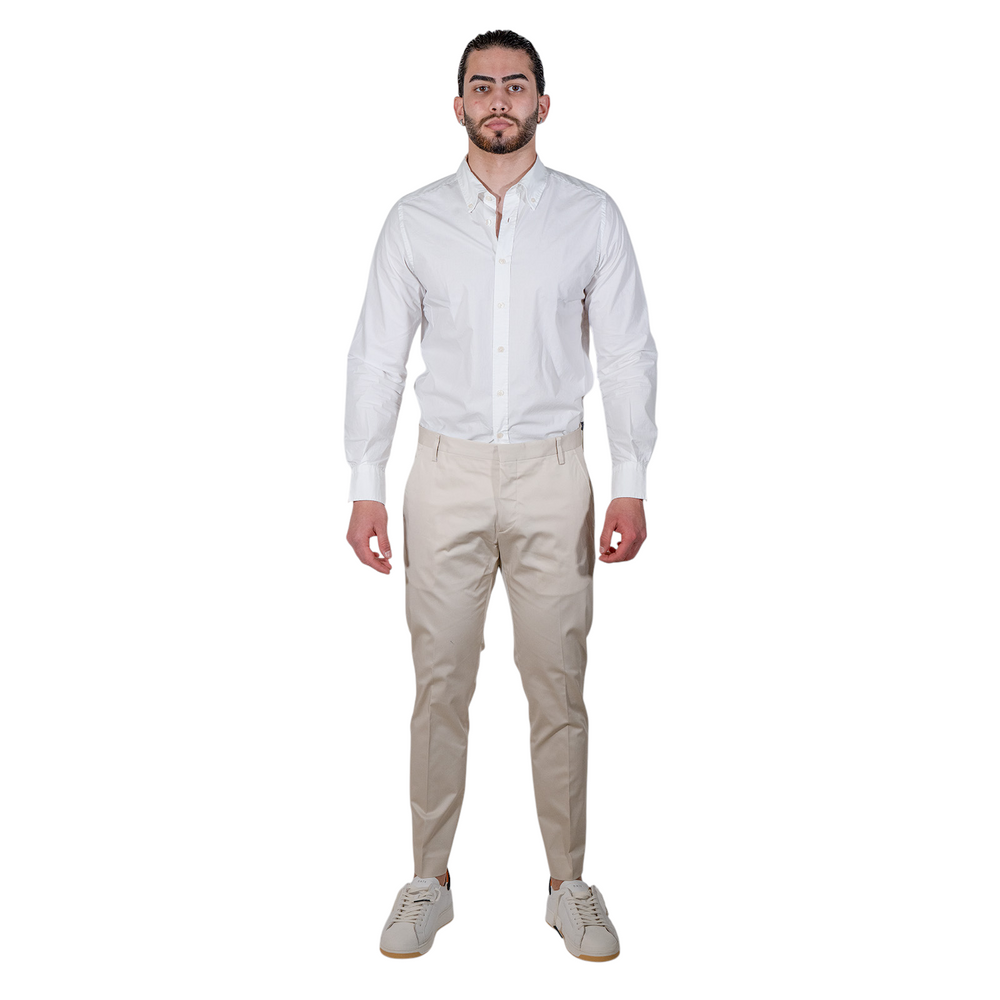
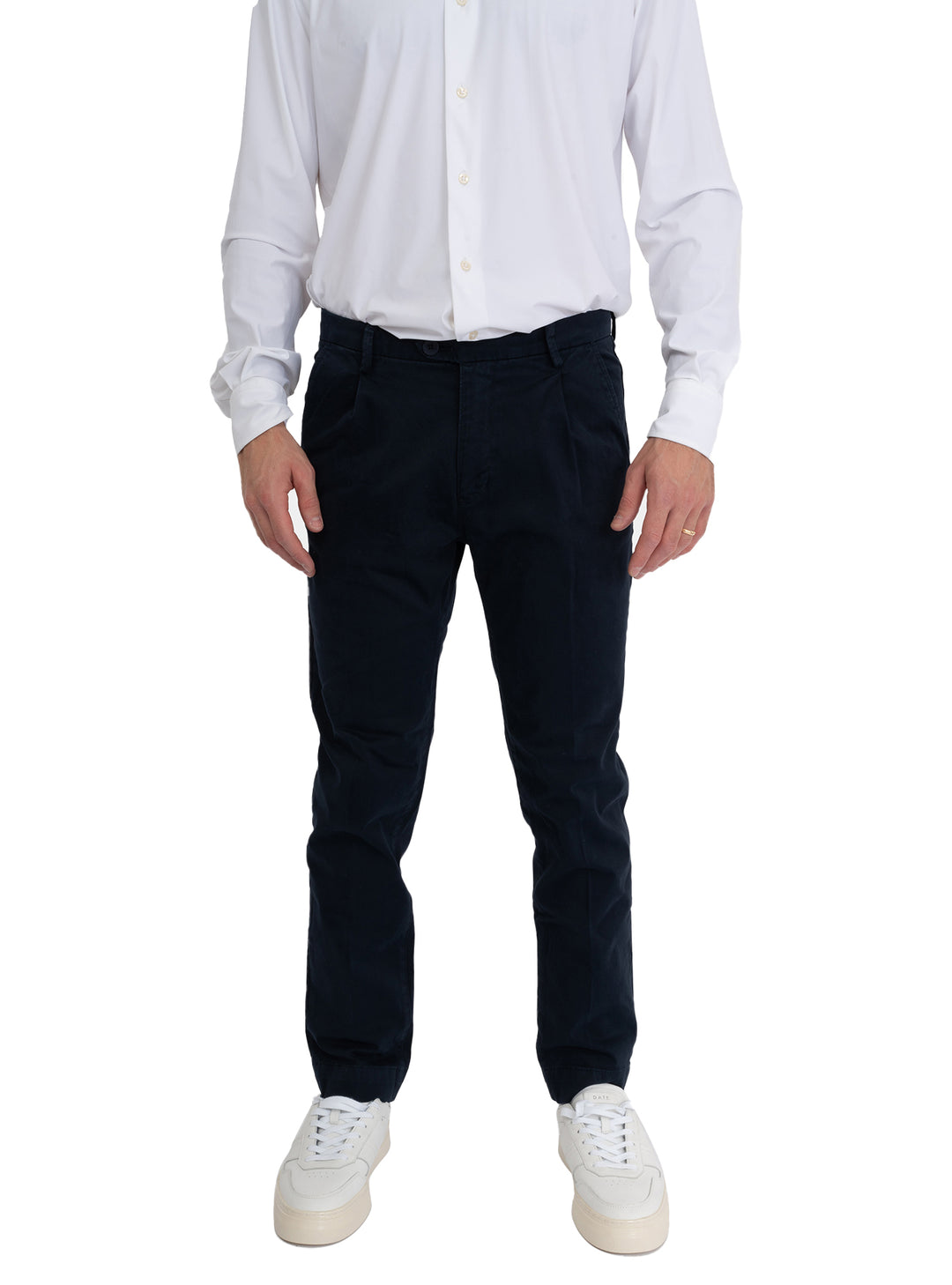
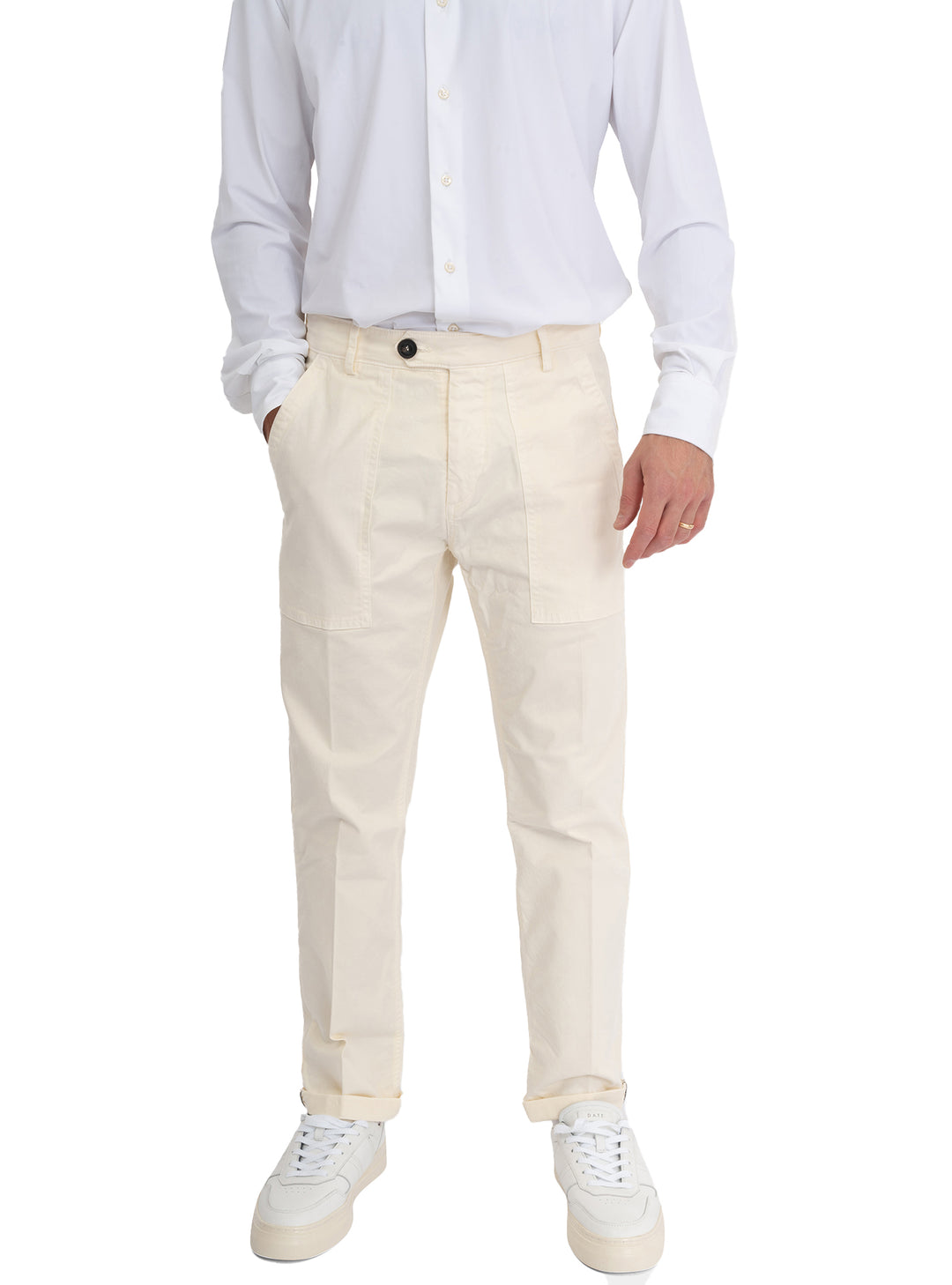
The category includes jeans in Japanese selvedge denim, chinos with slanted front pockets, cargo trousers with functional pockets, corduroy styles, tailored trousers with front pleats, and wool versions designed for colder seasons. Fits range from regular tapered styles that narrow below the knee to relaxed straight cuts with a comfortable straight leg, from slim fit silhouettes to loose tapered models with a wide leg that tapers at the hem.
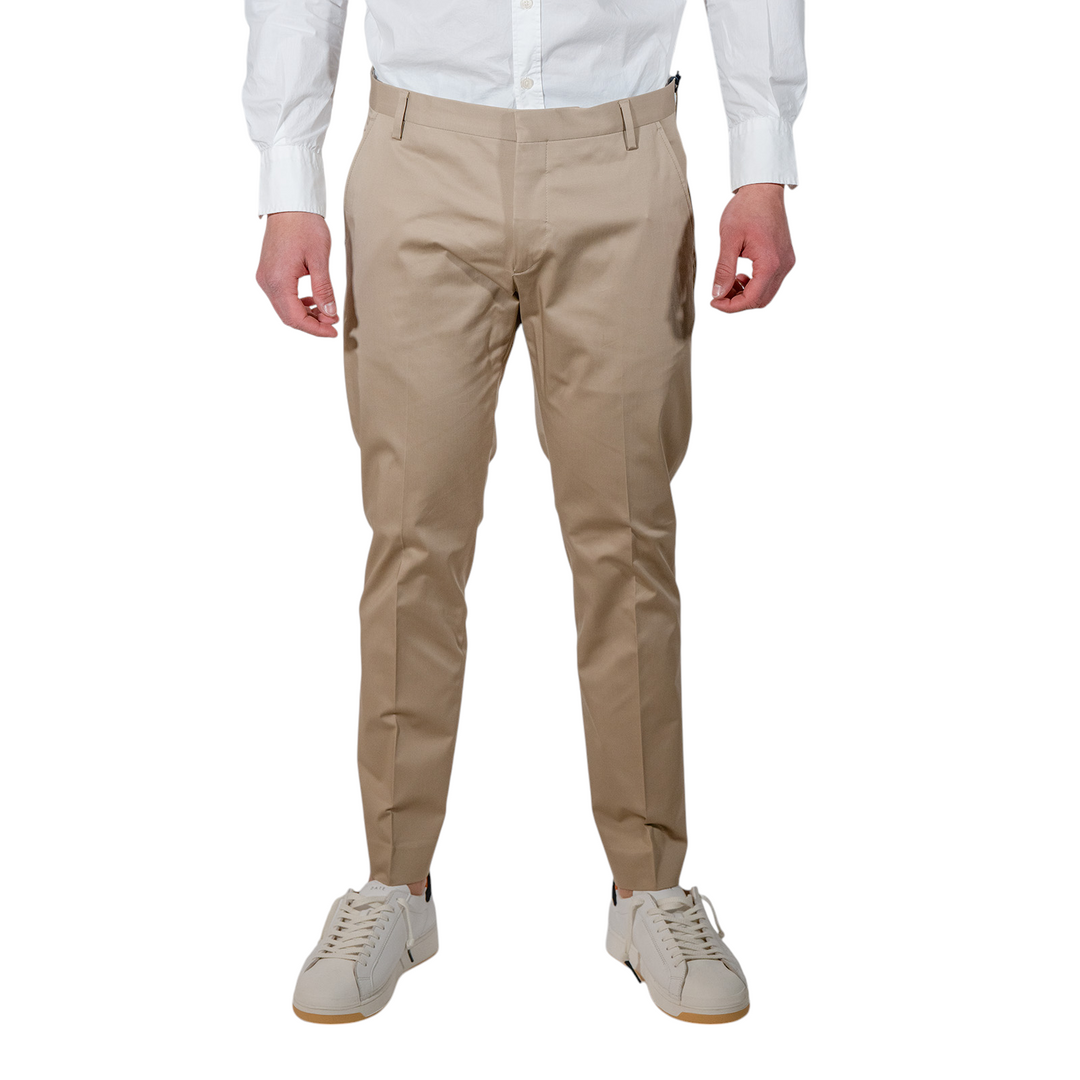
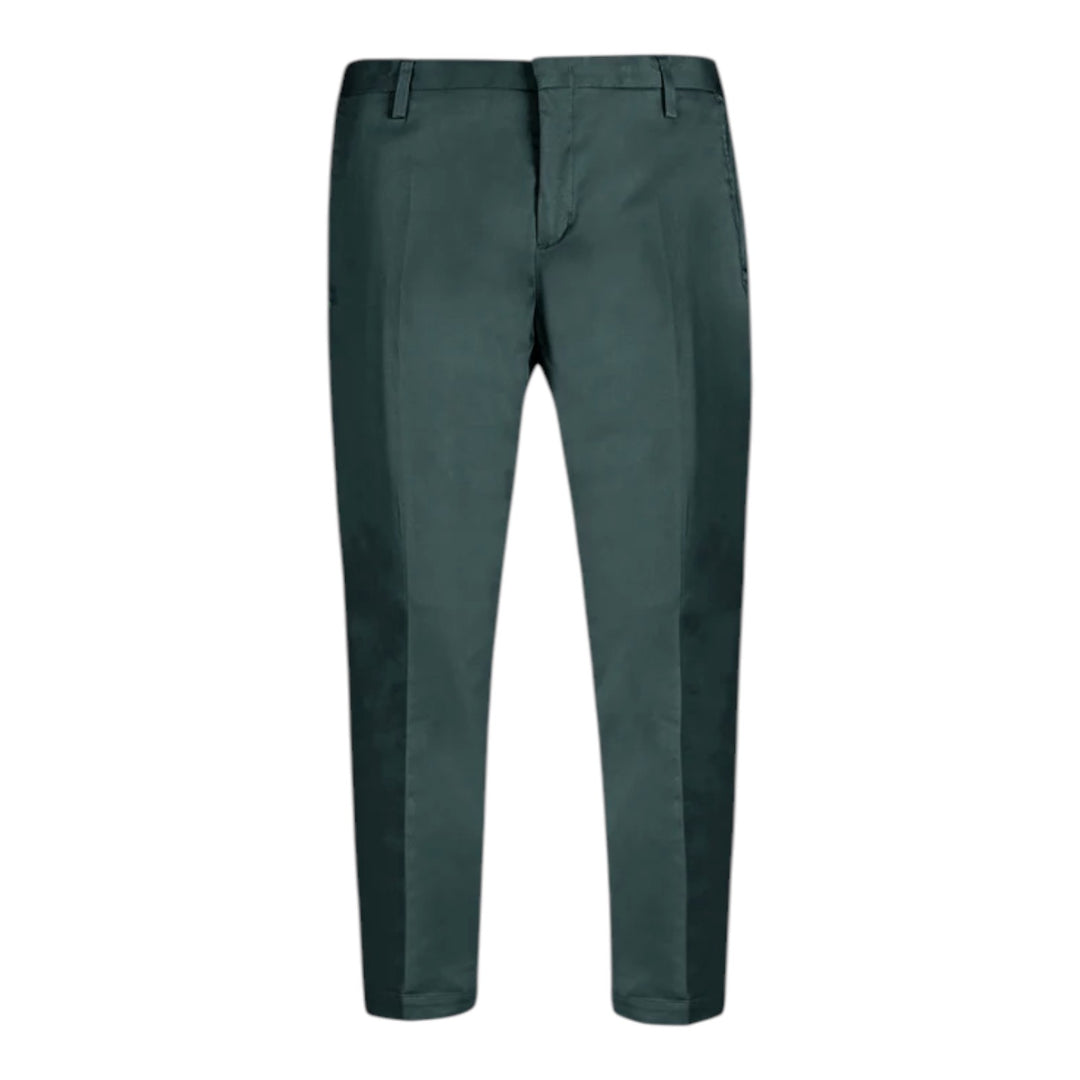
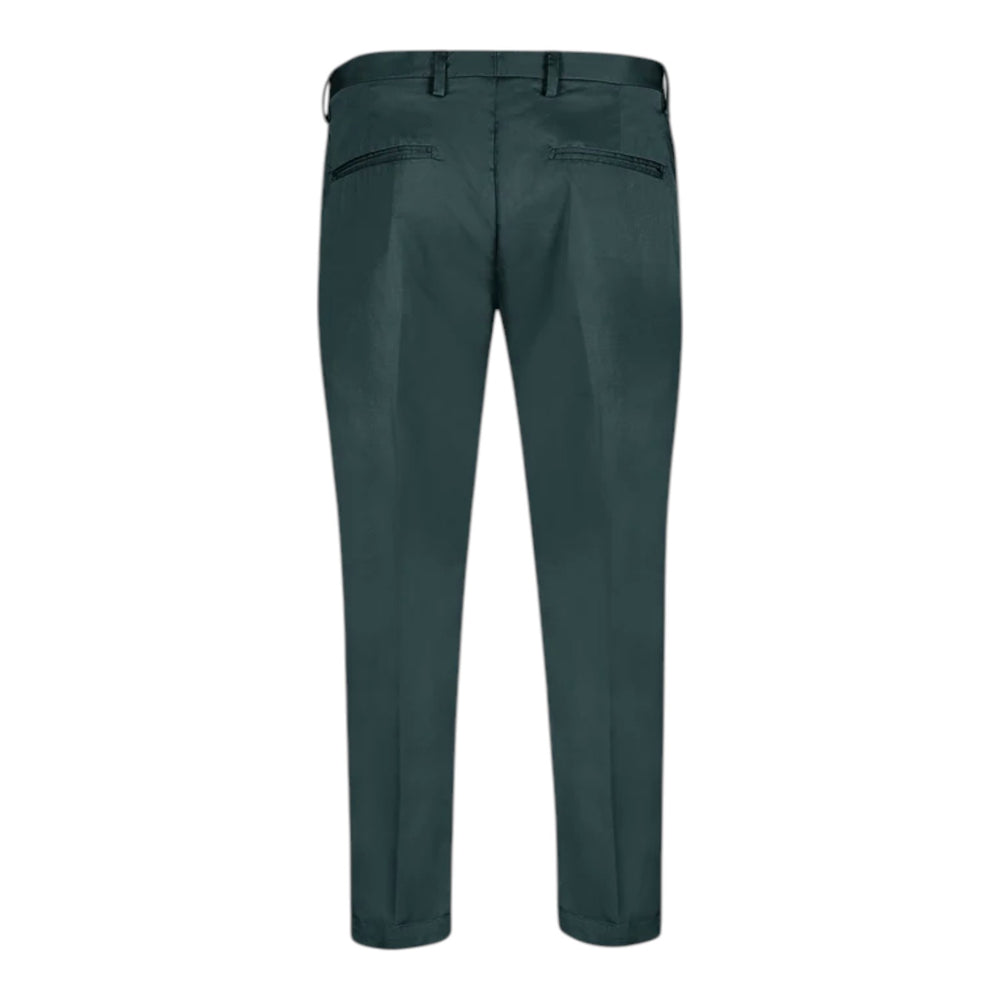
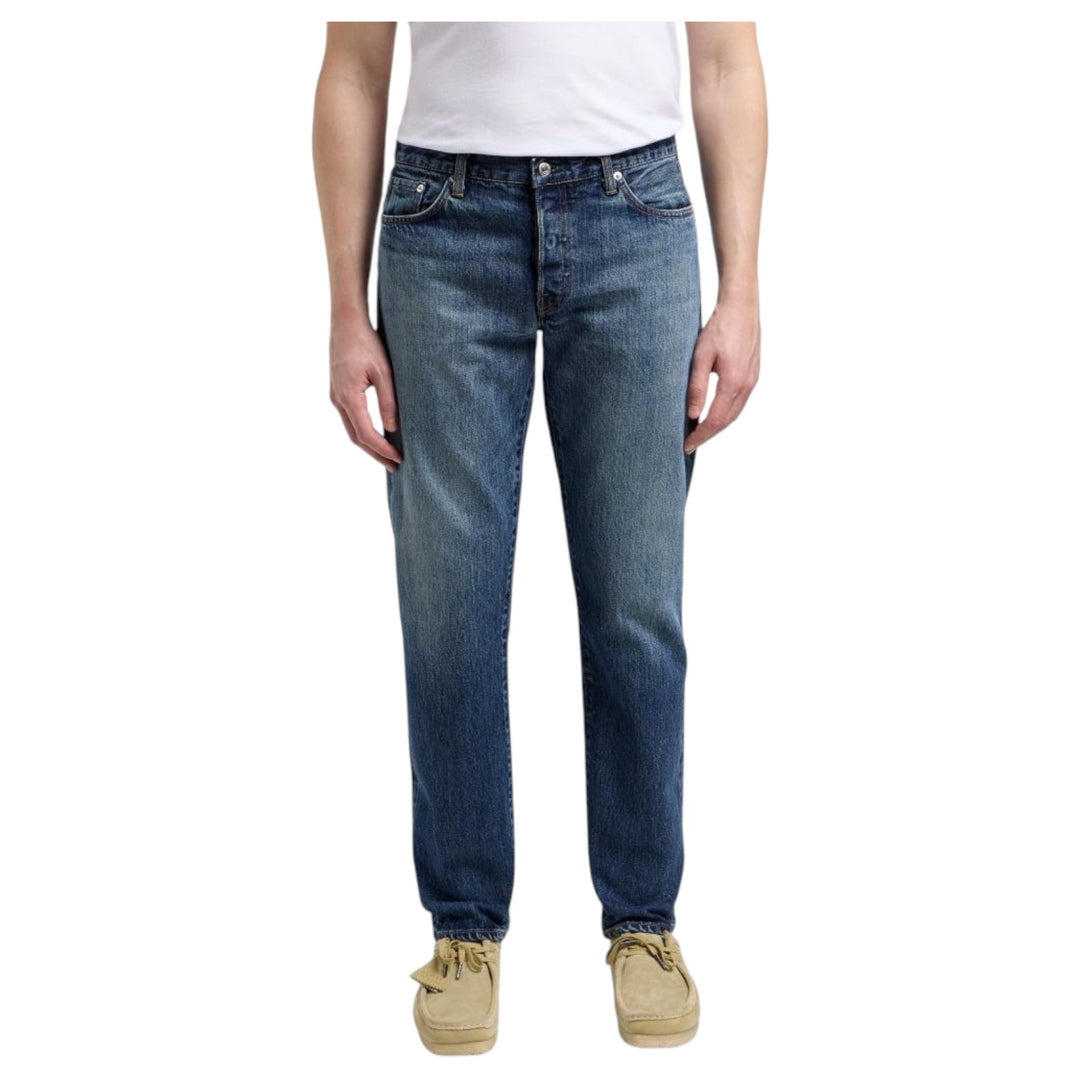
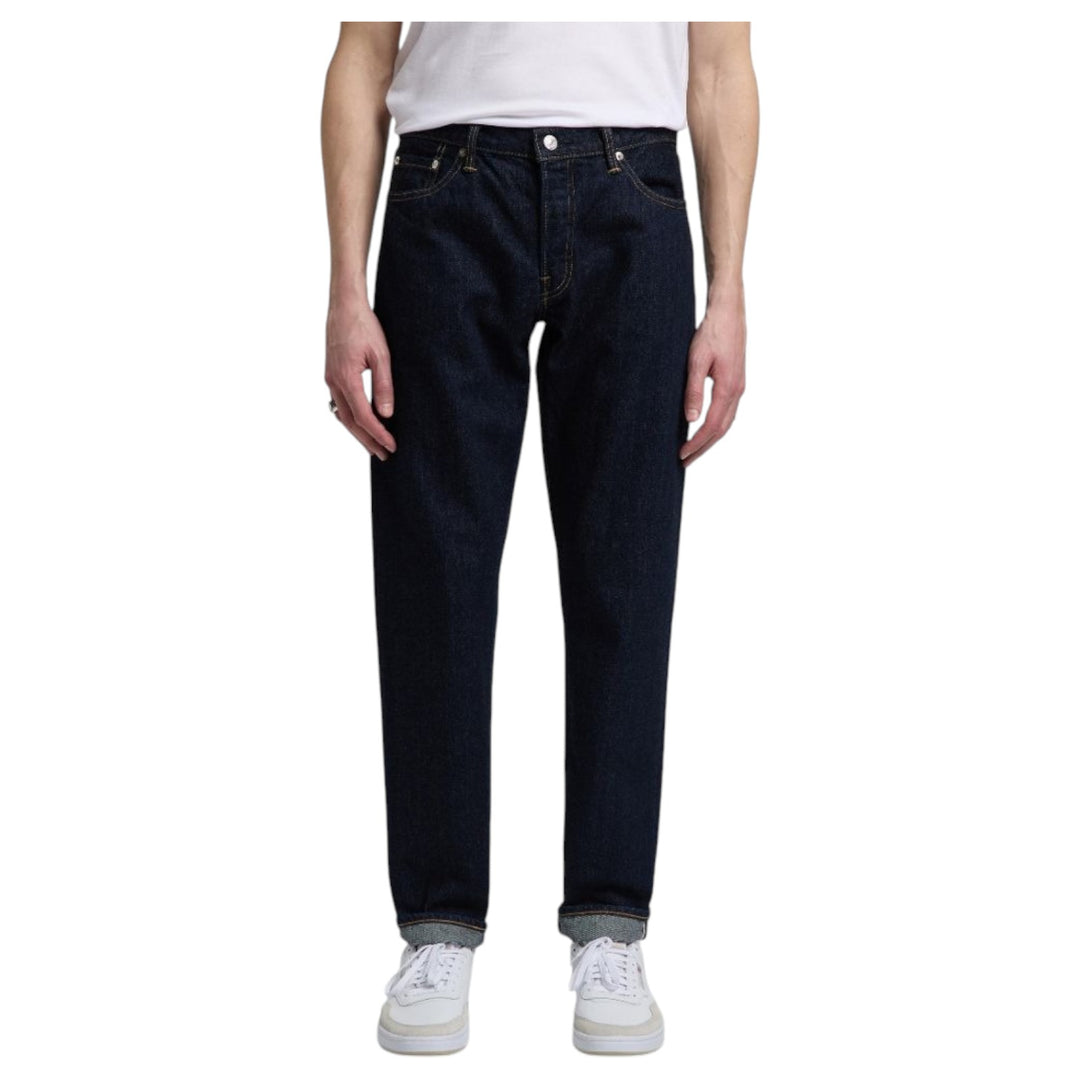
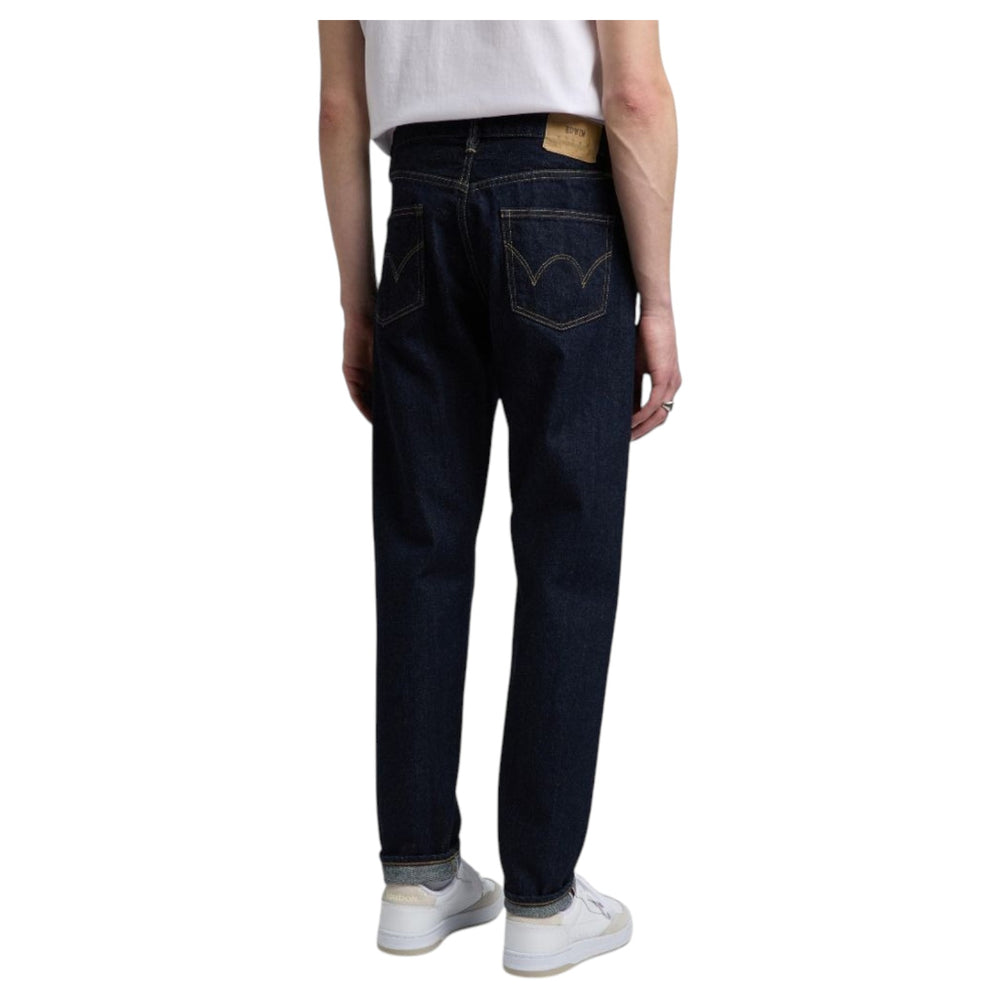
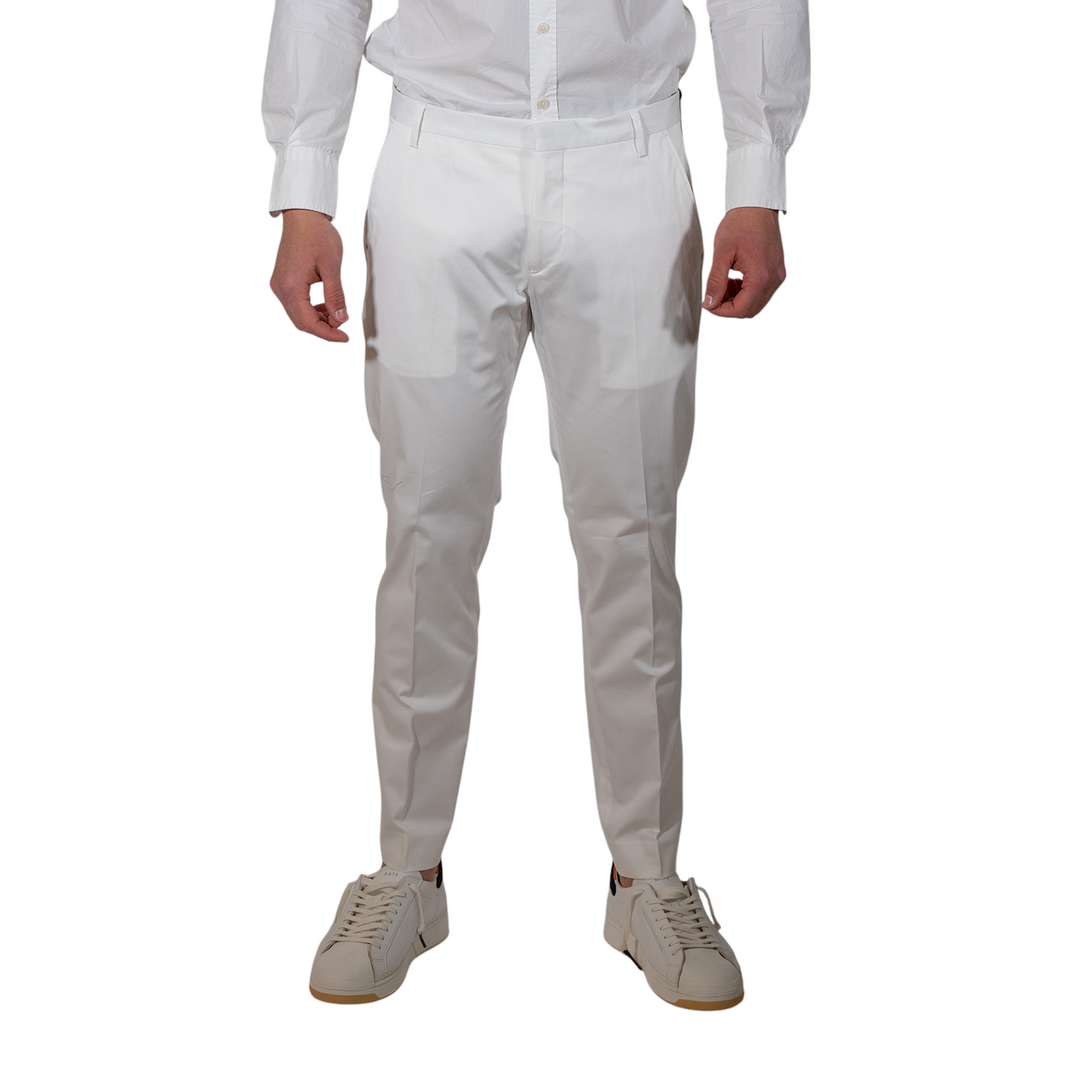
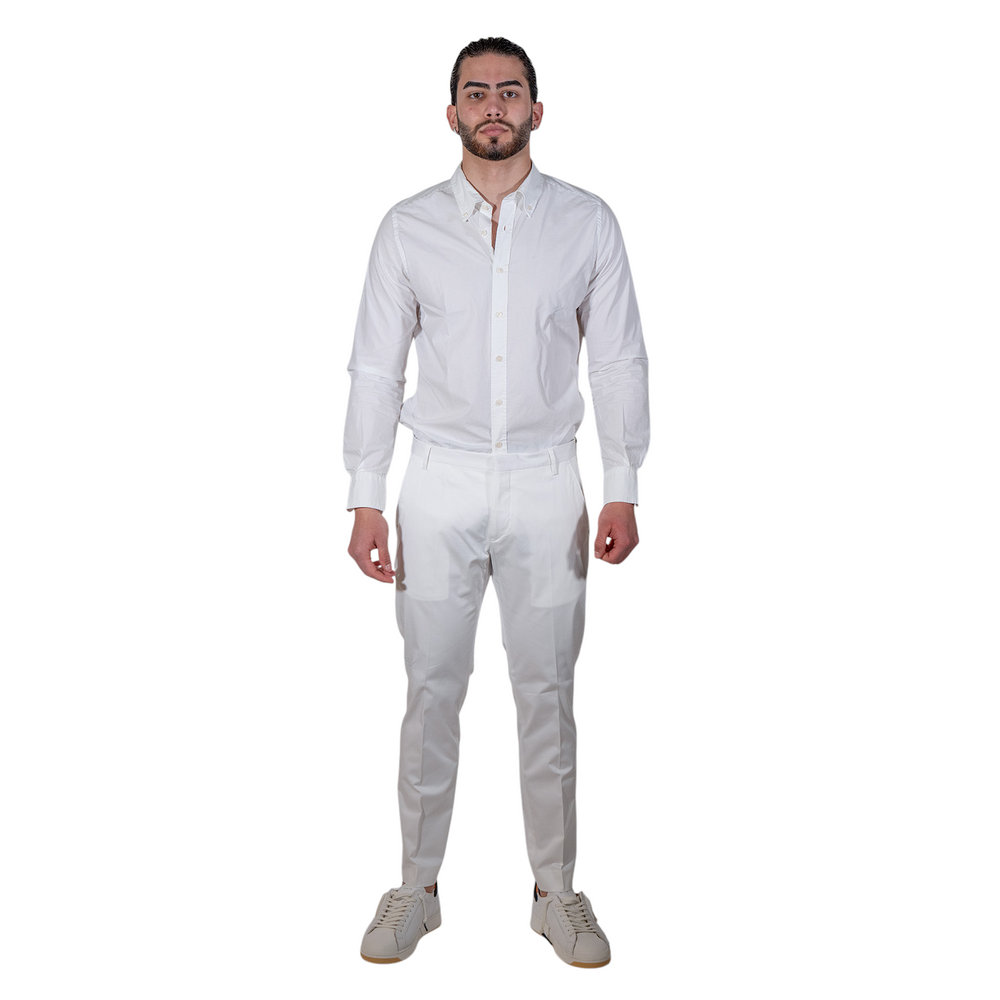
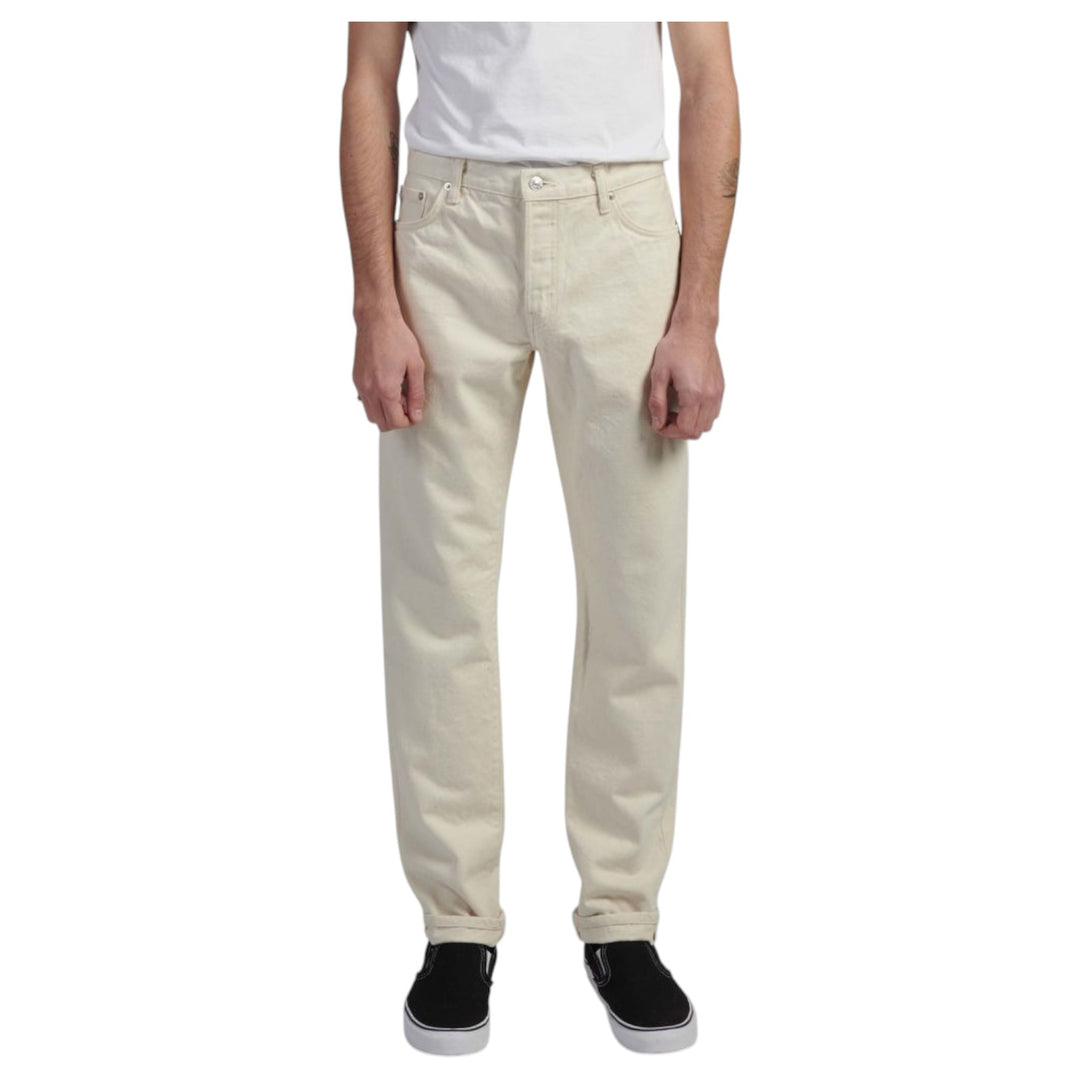
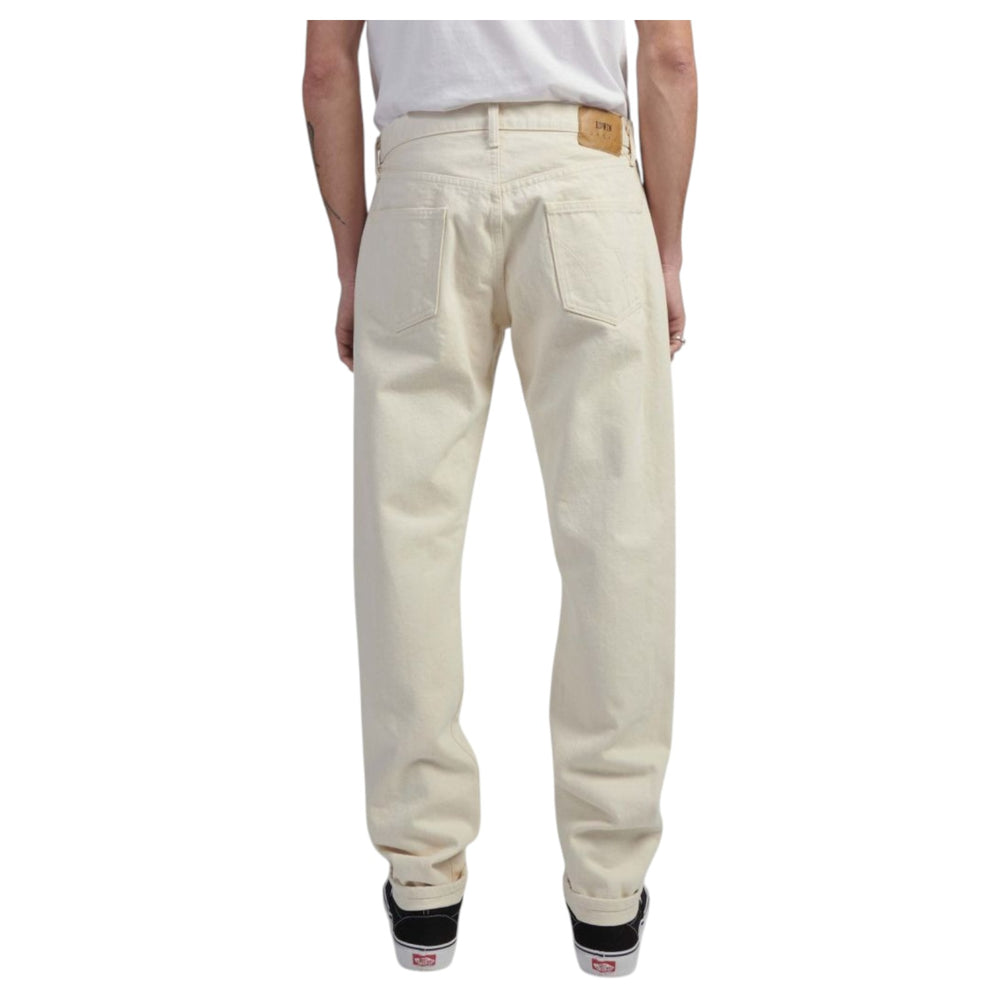
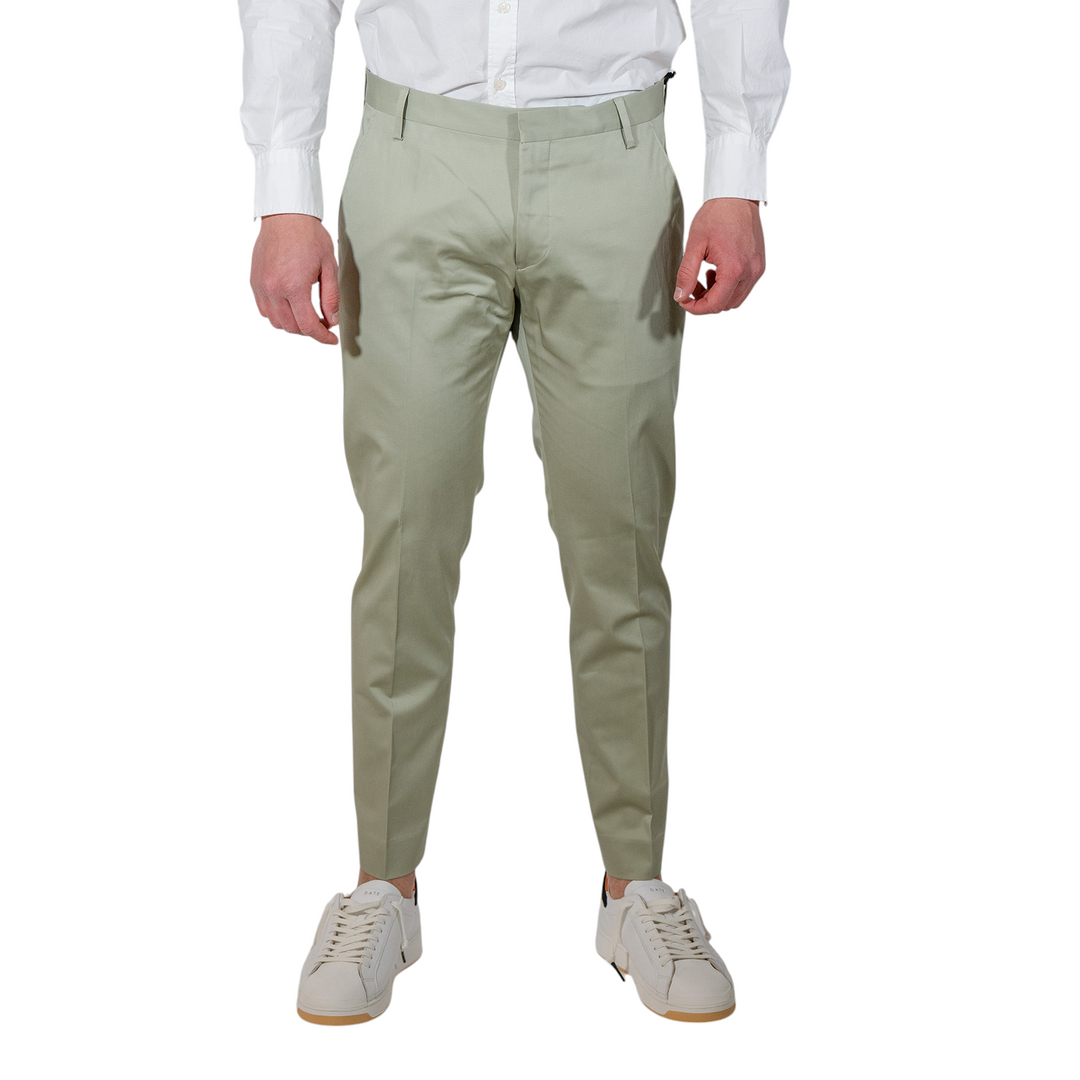
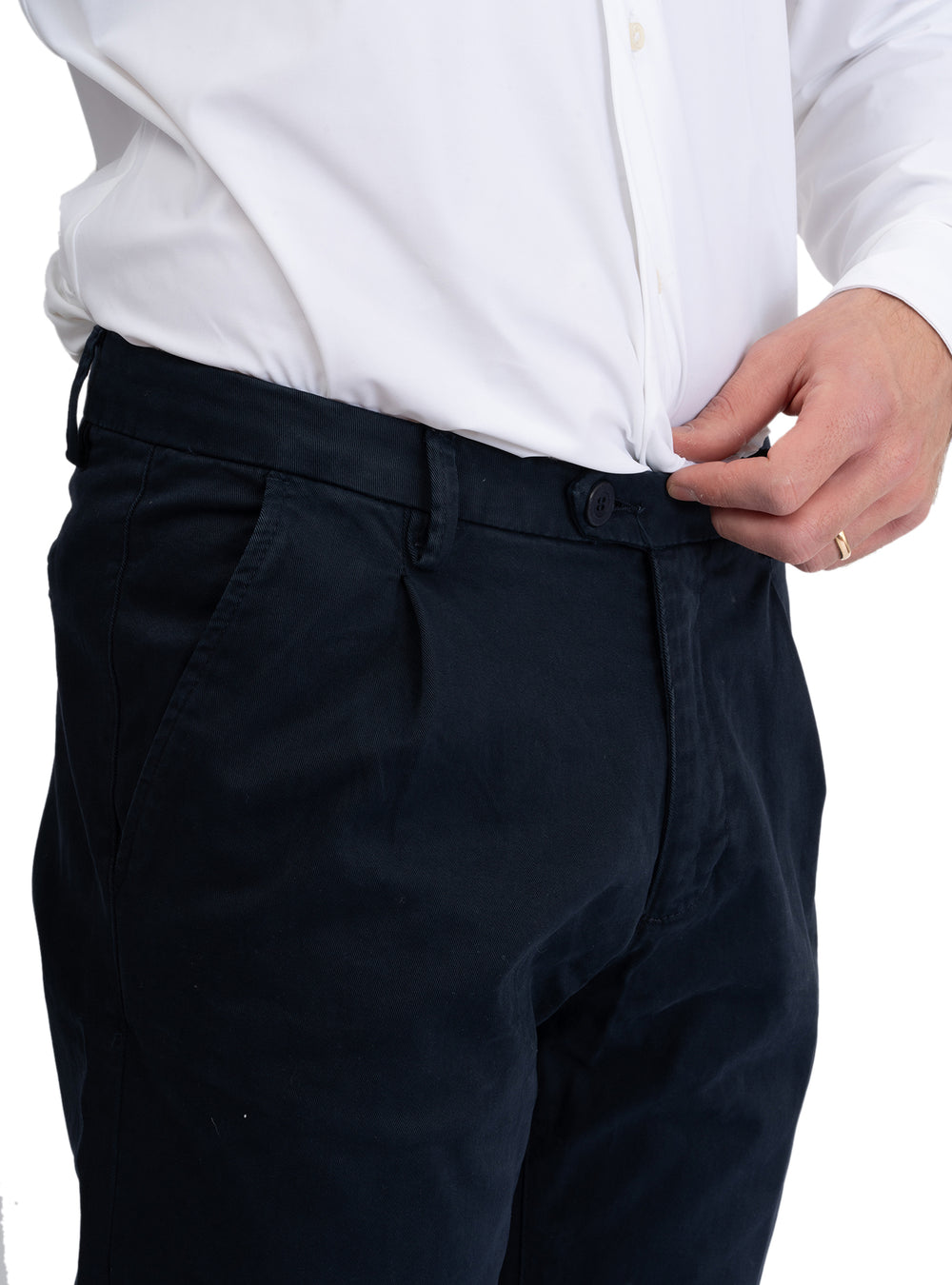
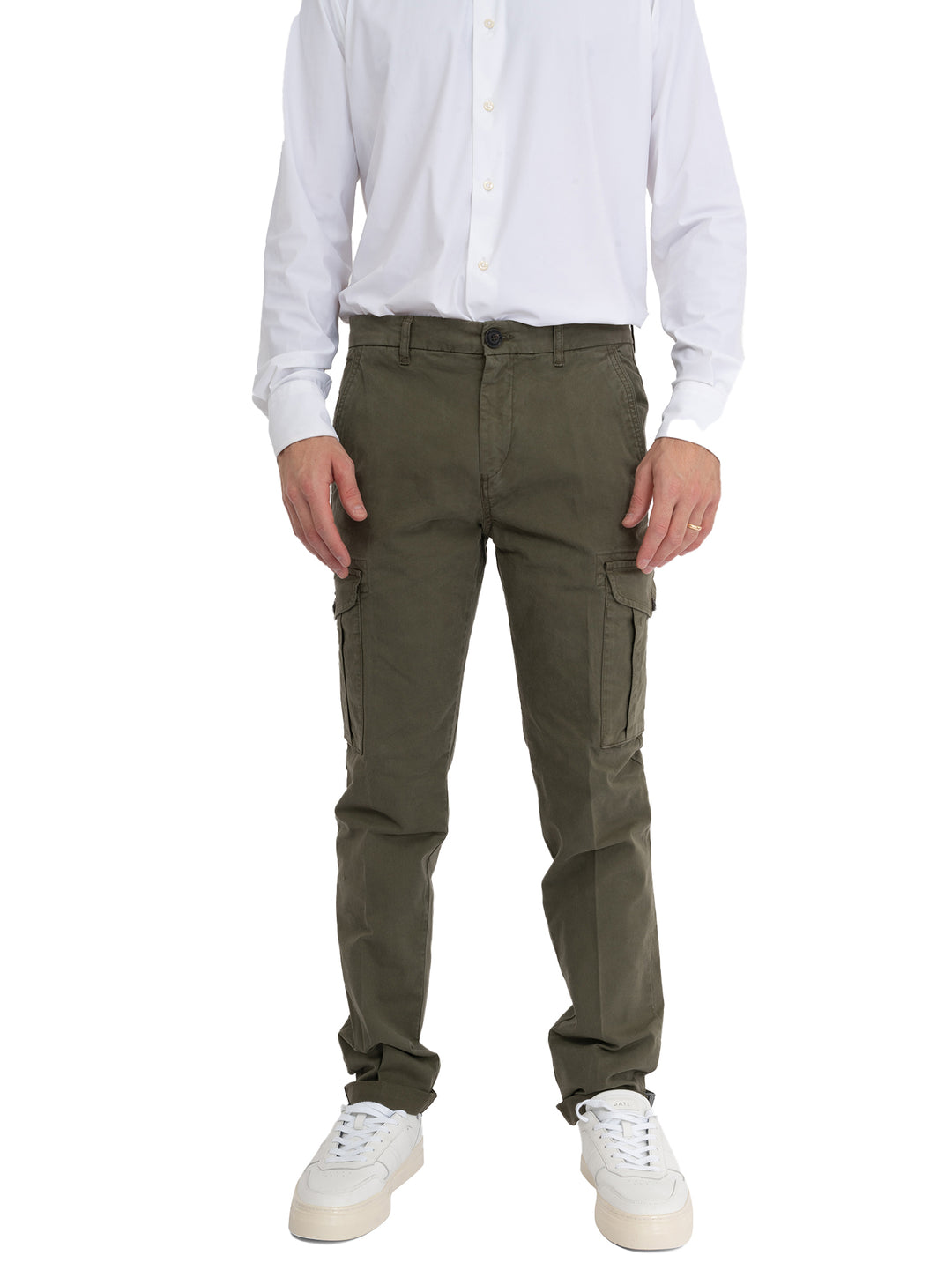
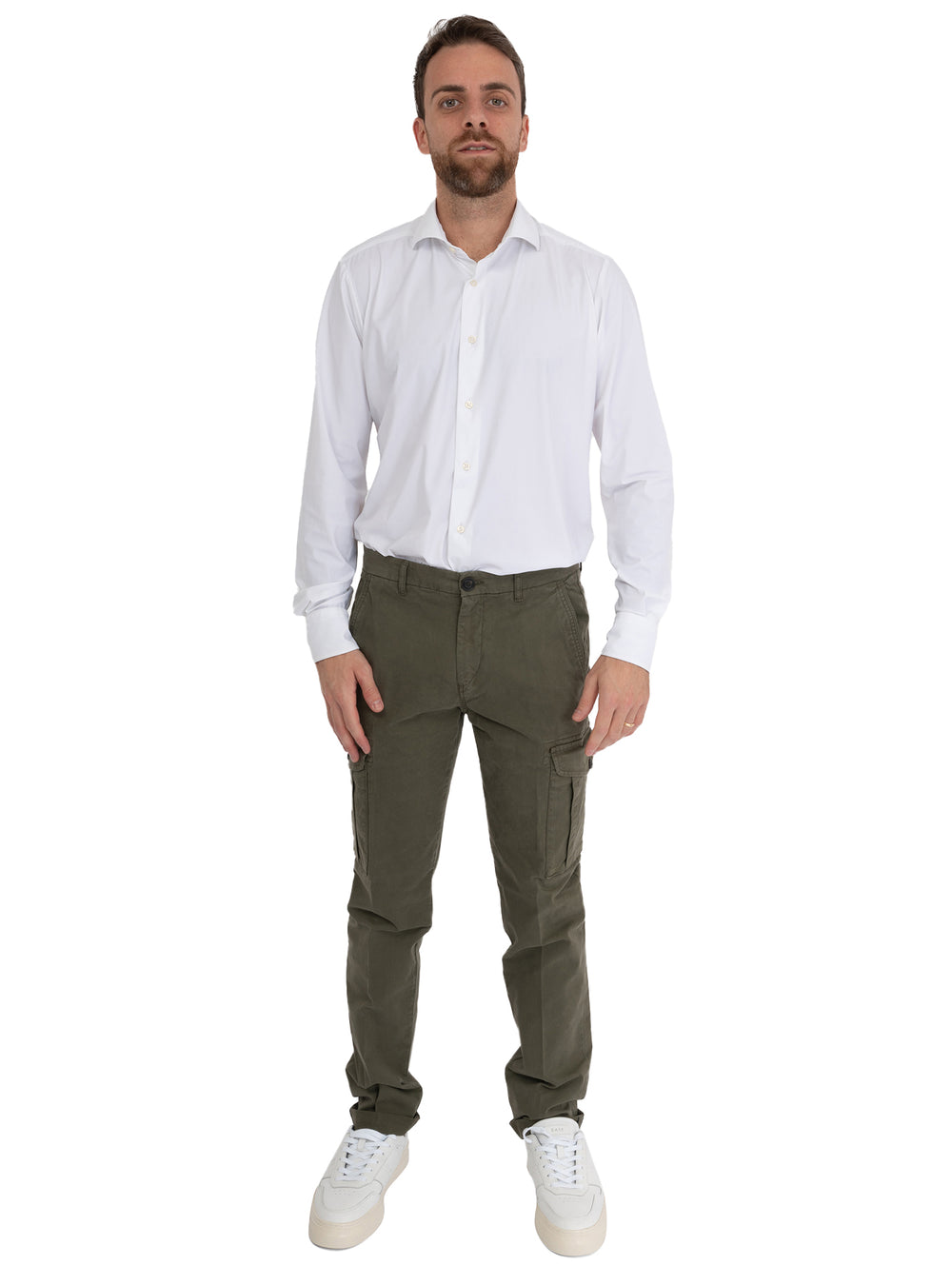
Edwin Made in Japan jeans feature a mid-rise waist, classic five-pocket construction, and authentic red selvedge edges. Carhartt WIP models offer relaxed fits with workwear details such as triple stitching, tool pockets, and hammer loops. Entre Amis chinos preserve Italian tailoring lines with a low rise, clean leg, and details such as adjustable side tabs and structured pleats. Clark cargo trousers incorporate applied side pockets and functional military-inspired silhouettes.
Distinctive Materials and Fabrics
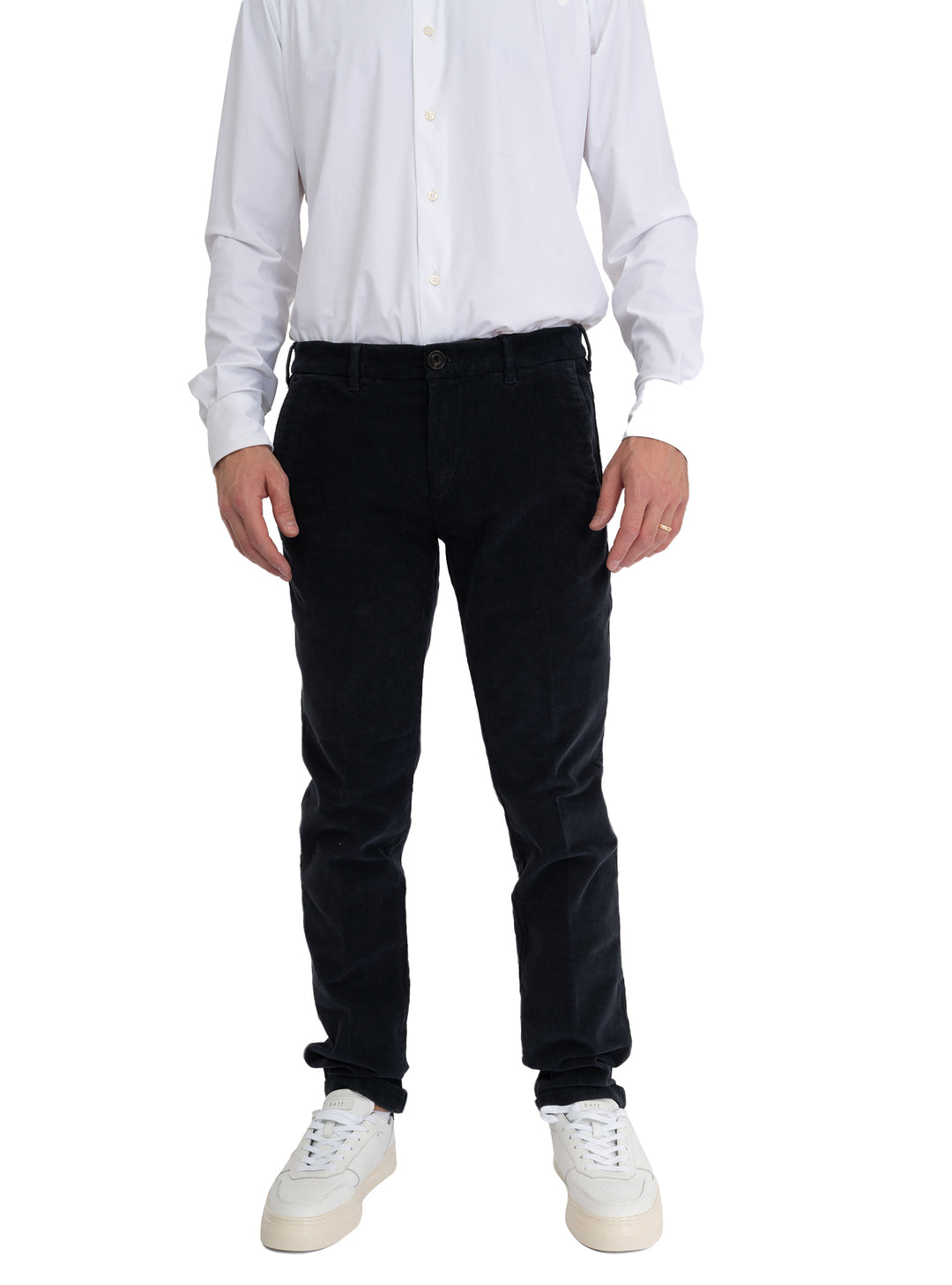
The selection prioritizes 13–14 oz Japanese selvedge denim produced by historic mills such as Kurabo and Kaihara, certified organic cotton, cotton gabardine with 2–3% elastane for controlled stretch, 15-wale corduroy, Italian moleskin, virgin wool for winter styles, and technical twills in polyester-cotton blends.
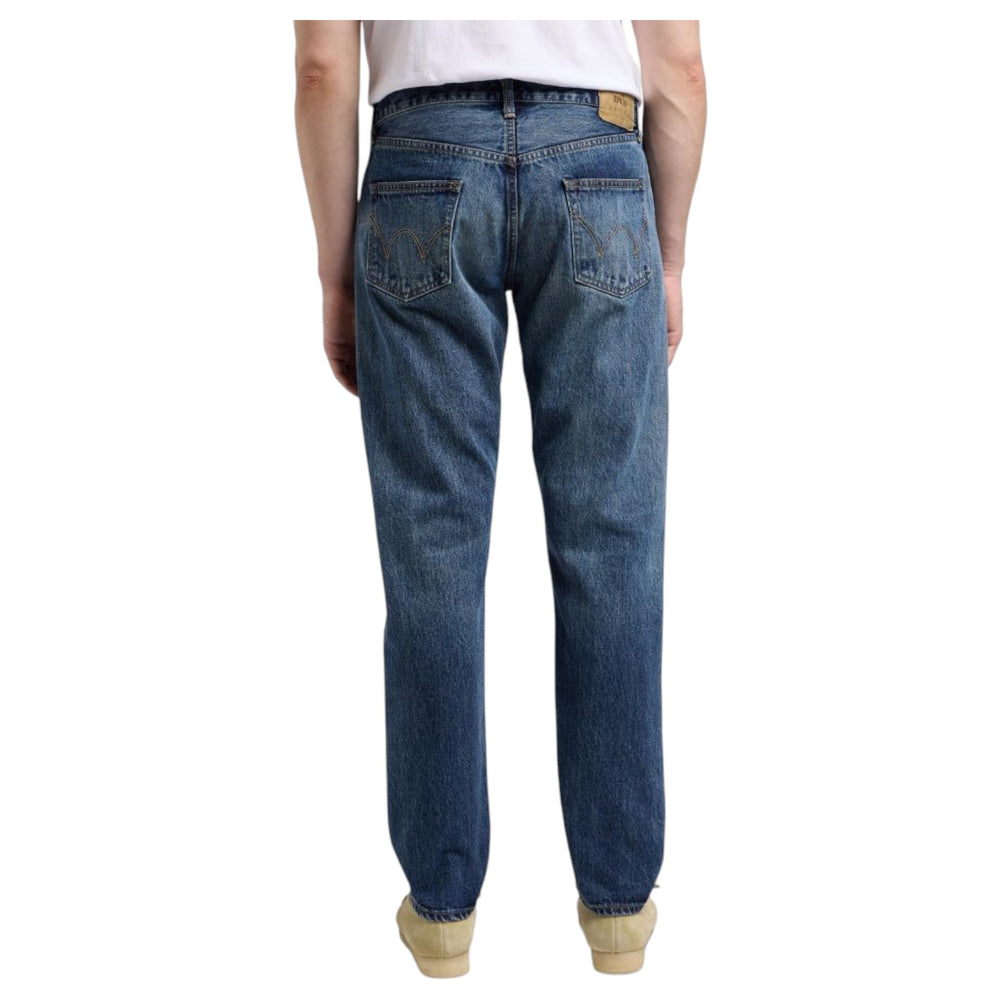
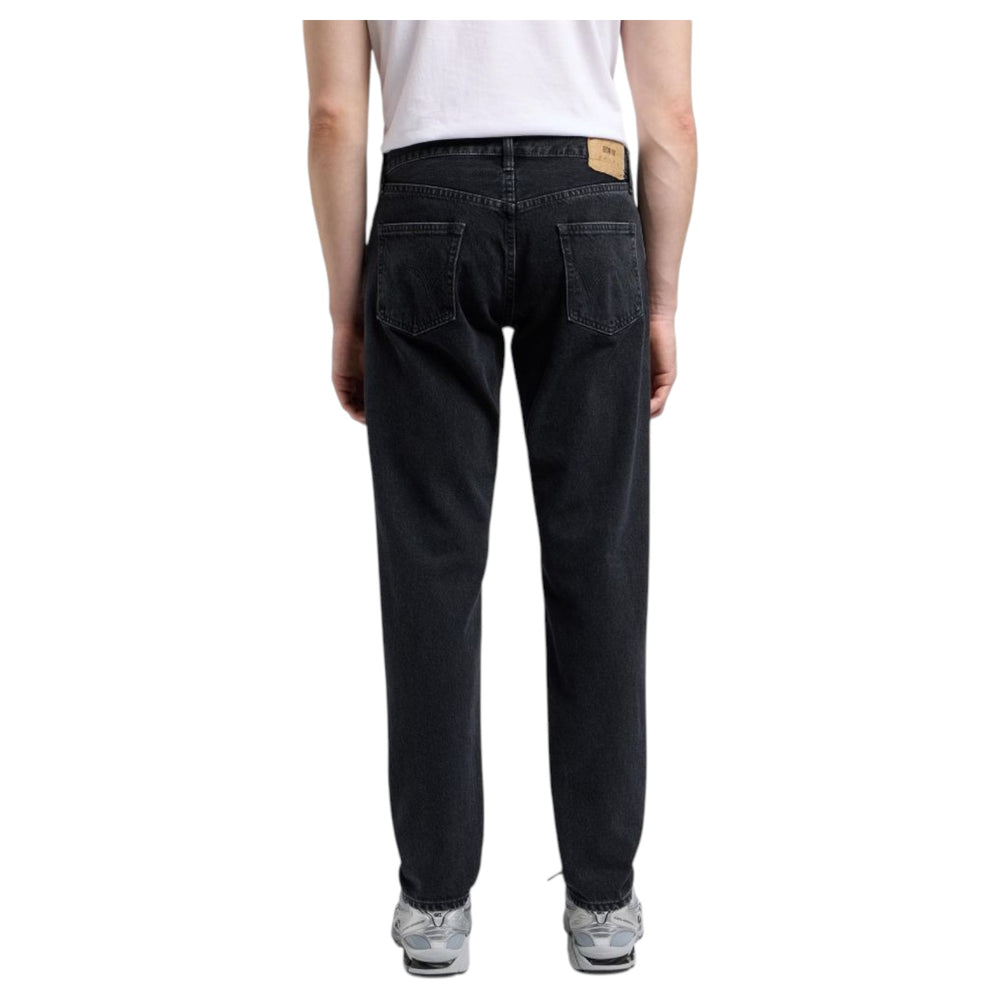
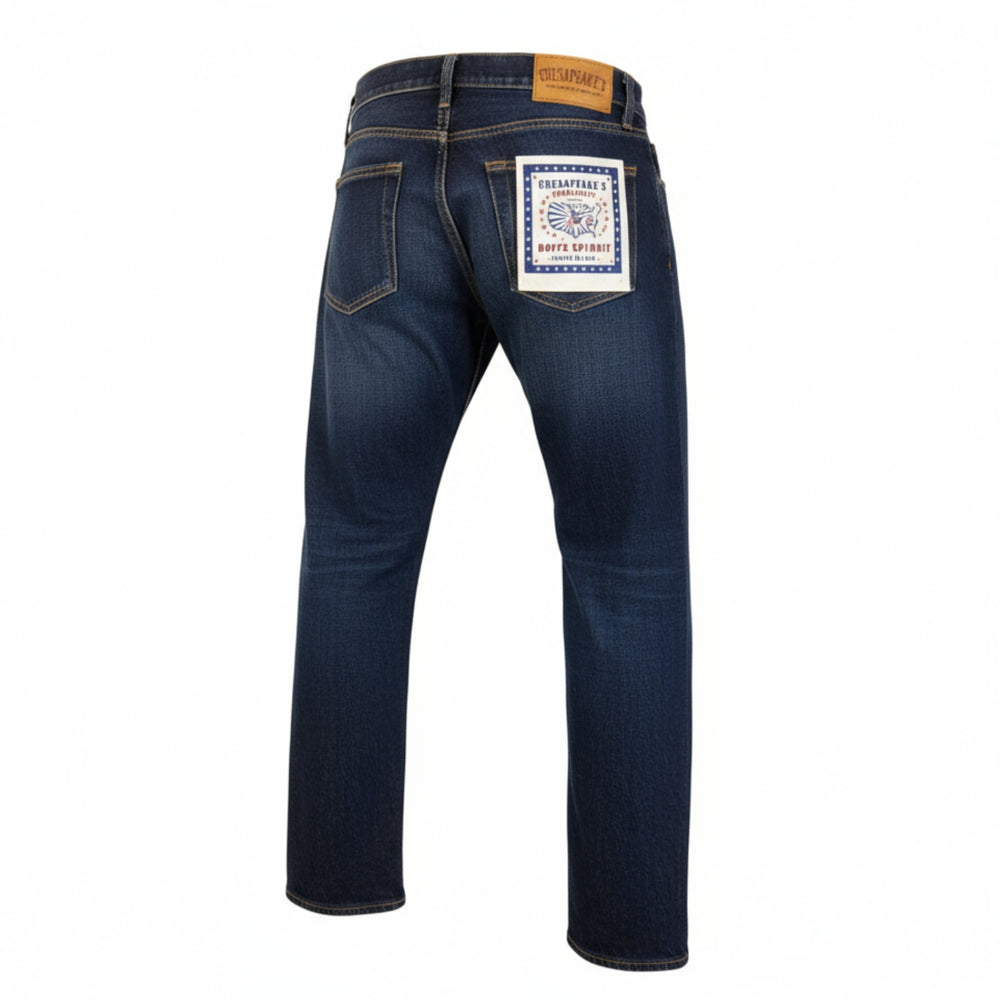
Selvedge denim features natural or recycled red selvage edges, washes ranging from raw rinsed to worn dark used, and rear patches made from 100% cellulose paper, reflecting Japanese craftsmanship. Gabardine offers a compact diagonal weave, abrasion resistance, and breathability, making it ideal for refined chinos. Fine-wale corduroy provides tactile softness and visual depth, while Italian moleskin combines durability with thermal comfort. Stretch fabrics integrate minimal elastane (2–3%) to enhance freedom of movement without compromising structure.
Construction Details and Finishes
Japanese denim jeans feature contrast or tonal stitching, reinforced metal rivets, button or zip fly closures, woven labels, and patches made from natural materials. Carhartt WIP models include square fabric labels, rear yokes, double stitching, and stone-washed finishes for added softness. Tailored chinos offer internal button stays, double-welt back pockets, zip fly closures, and belt loops with side adjusters. Cargo trousers maintain patch pockets with flaps and buttons, military-style construction, and functional fits.
Pleated trousers feature front pleats for controlled volume, elasticated back waistbands for adaptability, and refined sartorial finishes. These construction details ensure each model maintains a recognizable identity and long-term durability.
Color Palette and Occasions of Use
The color range spans classic denim washes (rinsed, dark used, light used, stone washed), neutral tones for chinos (beige, desert, ivory, navy blue, grey, black, green), and seasonal shades such as brown sugar, kale green, and cobalt blue.
Denim jeans suit everyday casual wear, weekends, and relaxed smart-casual looks paired with shirts, sweatshirts, and sneakers. Gabardine chinos work well in smart-casual settings, informal offices, and occasions requiring a more polished appearance, paired with polos, Oxford shirts, and loafers. Cargo trousers lean toward outdoor, workwear, and functional casual use. Wool trousers with pleats provide formal elegance for professional contexts and colder seasons. Corduroy styles add texture and warmth for autumn and winter while maintaining versatility.
This variety allows for complete wardrobes that cover daily, professional, and leisure needs with consistent stylistic coherence.
This men’s trousers selection brings together Japanese brands such as Edwin with artisanal Made in Japan selvedge denim, Italian labels including Entre Amis, Saint Etienne, and Aiburai for tailoring expertise and premium fabrics, Carhartt WIP for American workwear heritage, Clark for functional designs, and Chesapeake’s for traditional selvedge denim. Each brand contributes a distinct constructional identity: Japanese craftsmanship for exceptional denim, Italian tailoring for refined fits and authentic materials, and workwear influence for robustness and functional details. The collection addresses formal, smart-casual, casual, and outdoor needs while maintaining a strong focus on build quality and durability.
Frequently Asked Questions
What is the difference between selvedge denim and regular denim?
Selvedge denim is produced on traditional shuttle looms that create self-finished edges, recognizable by a colored line (usually red). This process results in higher density, durability, and the ability to develop authentic fades over time. Regular denim is made on modern high-speed looms with cut and finished edges. Selvedge denim represents superior quality, craftsmanship, and characteristic aging that improves with wear.
How do regular tapered fits compare to relaxed straight fits?
Regular tapered fits are comfortable at the hips and gradually narrow from thigh to hem, creating a clean, contemporary silhouette. Relaxed straight fits offer comfort throughout the leg with a consistent width from knee to hem, resulting in a more classic, relaxed look. Tapered fits suit modern styling with sneakers or boots, while straight fits align with traditional workwear and casual looks.
How do stretch gabardine trousers perform?
Gabardine with 2–3% elastane retains its compact structure and signature diagonal weave while adding controlled stretch that facilitates movement without distorting the garment. It offers greater comfort than 100% cotton, maintains its shape over repeated wear, and is ideal for those seeking elegance with practicality. Washing at moderate temperatures (30–40°C) is recommended to preserve elasticity.
Which brands offer more tailored fits?
Entre Amis, Saint Etienne, and Aiburai provide Italian tailored fits with low or regular rises, clean legs, and details such as pleats, side adjusters, and refined finishes. Edwin offers contemporary Japanese fits with balanced proportions. Carhartt WIP presents relaxed workwear-inspired silhouettes, while Clark maintains functional regular fits. The choice depends on usage context and personal fit preferences.
How should Japanese denim jeans be washed?
Japanese selvedge jeans benefit from infrequent washing (every 20–30 wears) to develop authentic fades. Hand washing or machine washing at low temperatures (maximum 30°C), inside out, with mild detergents is recommended. Avoid aggressive spinning and tumble drying. Air dry flat or hanging. These practices preserve the denim’s structure, enhance contrast fades, and keep the selvedge intact.
Which trousers are suitable for colder seasons?
Virgin wool trousers with pleats provide thermal insulation and formal elegance. Moleskin trousers combine durability with thermal comfort and a soft texture. Corduroy offers warmth and visual depth. Heavyweight denim (13–14 oz) delivers protection and resistance. These materials ensure natural temperature regulation, making them suitable for autumn and winter without weighing down the silhouette.